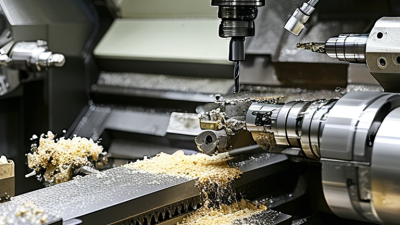
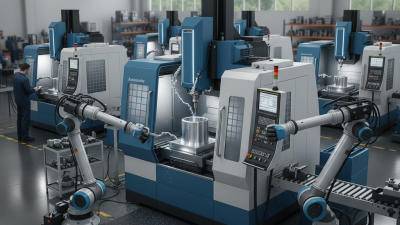
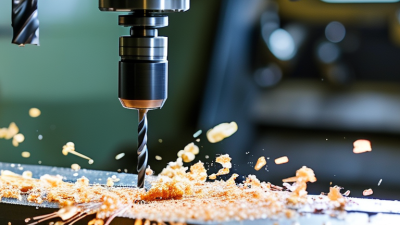
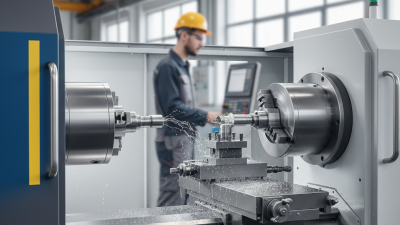
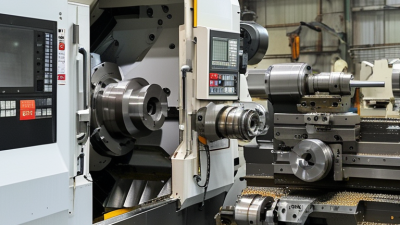
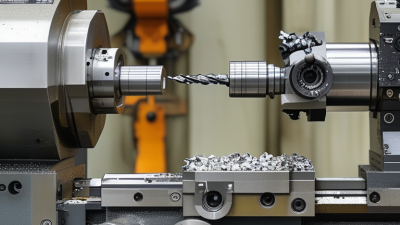
Picking the right Okuma Multus U3000 Horizontal Lathe is a pretty big deal if you want to maximize your productivity and get that top-notch precision in manufacturing. Based on a report from the Association for Manufacturing Technology, machines like the Okuma Multus U3000 really help cut down cycle times and boost efficiency. One of the coolest things about this machine is its multi-tasking capability — it can handle complex tasks in just one setup, which saves a ton of time and fuss.
In today’s super competitive market, it’s more important than ever to really get what this machine offers — FROM its specs to its features. The Okuma Multus U3000 isn’t just about turning; it also does milling, making it pretty versatile for modern machining needs. That said, a lot of folks overlook some important things like tool management and how well the software plays with everything else, and those little details can actually make a big difference in performance.
If you’re unsure, chatting with an expert or reading through buyer reviews and case studies can really help you figure out if this machine is the right fit. Most users agree that while the Okuma Multus U3000 is solid and reliable, it might not be perfect for every single job out there. Getting these details right is key to making a smart investment in good, high-quality equipment.
Understanding the Basics of Okuma Multus U3000 Horizontal Lathe
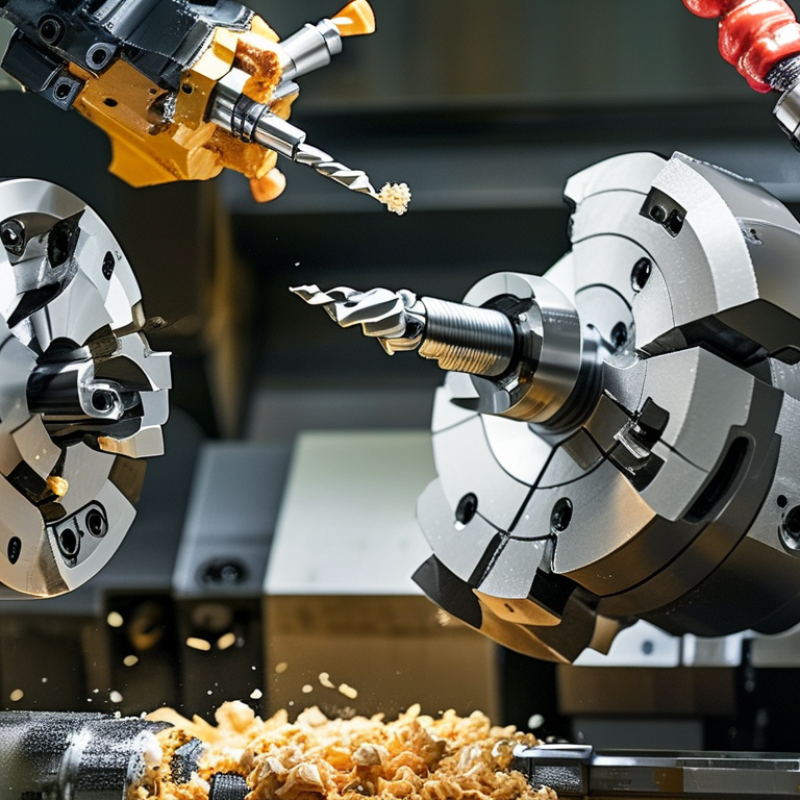
Choosing a Horizontal Cnc Lathe requires a solid understanding of its capabilities. The Okuma Multus U3000 stands out in the market due to its versatile machining options. Equipped with both turning and milling functions, it optimizes production efficiency. In fact, reports indicate that companies using multifunction machines see a 25% boost in productivity. This integration reduces the need for multiple setups, which can save both time and operational costs.
Understanding the machine's specifications is essential. The U3000 offers advanced technology such as thermal stability and a rigid construction, improving accuracy in machining. Studies reveal that precision can be enhanced by up to 20% with the right setup and conditions. This is particularly relevant for industries requiring high tolerances and complex part shapes. Regular maintenance practices can impact the machine's longevity, yet many users overlook this, leading to potential inefficiencies down the line.
As you navigate the decision-making process, consider your specific production needs. Assess whether you're prioritizing speed or precision. Balancing these factors is crucial, as each has its trade-offs in terms of cost and output. The U3000 excels in various applications, but a clear understanding of its features can help you maximize its benefits in your business.
Key Features and Specifications of the Okuma Multus U3000
The Okuma Multus U3000 is a versatile horizontal lathe that excels in precision and productivity. This machine combines turning, milling, and grinding capabilities, making it a favorite in diverse manufacturing environments. According to industry reports, adopting multi-tasking lathes can improve productivity by up to 30%, highlighting their growing importance in modern machining. The U3000 features a robust spindle design with high torque, ensuring stable machining even under heavy loads.
Consider the machine's specifications, such as its maximum turning diameter and machining length. For instance, the U3000 offers up to 360 mm in diameter and 1,200 mm in length, accommodating a wide range of workpieces. The dual spindle architecture enhances throughput, allowing simultaneous operations that reduce cycle time. Additionally, a rigid frame structure minimizes vibrations, leading to improved surface finishes.
When choosing a lathe, evaluate energy consumption and operational costs. Look for machines with advanced energy-saving features. Reflect on your current workflows and identify any bottlenecks. Machine flexibility also plays a critical role; ensure it can adapt to future manufacturing requirements. A thorough understanding of these specifications can lead to better investment decisions and optimized production efficiency.
Evaluating Your Manufacturing Needs Before Selecting a Lathe
Choosing the right horizontal lathe involves thorough assessment of manufacturing needs. This step is critical for optimizing productivity. Industry reports show that about 40% of machine failures stem from mismatched equipment choices. Understanding the specific requirements of your production can significantly reduce downtime.
Consider factors like part size, complexity, and material specifications. For example, if your production involves large components, machineries with a higher swing diameter are essential. Reports indicate that precision lathes can improve machining accuracy by as much as 20%. However, the cost can be a decisive factor. Balancing budget constraints with technical specifications often leads to tough decisions.
It's important to gather input from operators who work directly with the machinery. Their insights can reveal practical issues that design reports may overlook. Many companies have realized that employee feedback can lead to better equipment choices. Regularly reviewing manufacturing workflows can help identify gaps in performance, allowing for more informed decisions when selecting a lathe.
How to Choose the Right Okuma Multus U3000 Horizontal Lathe? - Evaluating Your Manufacturing Needs Before Selecting a Lathe
| Dimension |
Value |
| Max Turning Diameter |
15 inches |
| Max Turning Length |
30 inches |
| Spindle Speed |
3000 RPM |
| Number of Tool Positions |
12 |
| Power Consumption |
7.5 kW |
| Weight |
2200 kg |
| Precision |
±0.01 mm |
Comparison with Other Horizontal Lathes on the Market
When comparing horizontal lathes, several factors influence selection. The Okuma Multus U3000 is known for its versatility in handling complex machining tasks. However, one must evaluate its capabilities against various competitors in the market.
Data from the Manufacturing Technology Association indicates that Horizontal Turret Lathes account for about 35% of the lathe market. This reflects their popularity due to efficiency and ease of use. Many models offer advanced features like live tooling and multi-axis capabilities. These functions are essential for modern manufacturing to reduce cycle times and improve precision. However, not all horizontal lathes perform equally in these areas. Some may have limitations in customization options or software integration.
It's crucial to consider the specific requirements of your projects. Some users might prefer machines with greater rigidity and higher torque for heavy-duty tasks. Others might prioritize footprint and energy efficiency. This uneven performance among models means buyers should conduct in-depth analyses. Comparing user reviews and expert opinions often reveals shortcomings in specific designs. While many horizontal turret lathes claim to be the most efficient option, only comprehensive testing and true operational feedback can verify these claims.
Assessing Budget and Cost Considerations for Purchase
When considering the purchase of an Okuma Multus U3000 Horizontal Lathe, budget and cost are crucial factors. Industry data suggests that the initial investment often ranges from $150,000 to $400,000, depending on features and capabilities. This amount can significantly impact financial planning for businesses, especially smaller ones. A well-thought-out budget should include not only the purchase price but also ongoing maintenance and operational costs, which can reach 15-20% of the initial investment per year.
With advanced features, the Horizontal Turning Lathe offers improved productivity. However, it’s vital to assess whether those features align with your production needs. Investing in unnecessary functionalities can lead to wasted resources. Some might find themselves regretting a purchase that didn’t match their operational demands. Evaluate production volume and complexity before committing.
Consider financing options as you explore your budget. Leasing can provide a more manageable monthly cost. Additionally, keep an eye on technology trends; these machines evolve rapidly. Staying informed can lead to informed decisions about future upgrades. Always remember, the right machine is one that fits your specific operational needs, not just the latest model on the market.
Availability of Support and Maintenance Services for the Lathe
When selecting an Okuma Multus U3000 Horizontal Lathe, the availability of support and maintenance services should be a primary consideration. Quality lathes require regular upkeep to ensure optimal performance. A 2022 report indicated that nearly 70% of machining companies experienced downtime due to inadequate maintenance. This statistic highlights the importance of having robust support services in place.
Timely access to technical support can significantly reduce machine downtime. In a recent survey, over 60% of operators stated that quick response times positively impacted their productivity. This aspect is essential when choosing a lathe, as delays can lead to costly production halts. Operators should inquire about the availability of local support teams and parts supply chains, as these can drastically affect maintenance efficiency.
Moreover, it's crucial to reflect on the training and resources provided by the manufacturer. A study found that 50% of operators reported feeling unprepared to handle equipment issues due to insufficient training programs offered post-purchase. Thorough training programs can empower staff to perform basic maintenance, reducing dependence on external support. Therefore, considering both immediate support options and long-term educational resources will enhance the overall value of the investment in the lathe.
User Reviews and Case Studies of Okuma Multus U3000 Performance
User reviews and case studies reveal valuable insights on the Okuma Multus U3000 Horizontal Lathe's performance. Many operators praise its versatility and precision. However, some users reported a learning curve. The machine’s advanced features require training and adaptation. Experience shows that investing time in familiarization can yield significant productivity gains.
Data from industry reports highlight the Multus U3000's efficiency in production. Users have noted a 30% reduction in cycle times compared to previous models. This efficiency is crucial in competitive manufacturing environments. However, it's essential to recognize that incorrect setups can lead to delays. Operators must prioritize proper calibration for optimal results.
Case studies also indicate varying performance in different applications. For instance, while a manufacturer achieved outstanding surface finishes on complex parts, another faced tool wear issues with certain materials. Understanding these nuances is vital. Operators should continuously refine their techniques and seek feedback. In the realm of Horizontal Cnc Lathe Machine usage, adaptability is key to maintaining competitive advantage.
Performance Metrics of Horizontal Lathes
FAQS
: The U3000 combines turning and milling, enhancing production efficiency.
Companies report a 25% productivity increase using multifunction machines like the U3000.
Regular maintenance is crucial; neglected upkeep can lead to inefficiencies.
Assess your production needs carefully, especially speed versus precision.
Initial costs range from $150,000 to $400,000, plus yearly maintenance.
Ensure the features align with your actual production needs to avoid waste.
Leasing can help manage costs; explore different financing methods available.
Knowledge of specifications ensures you maximize the machine's features effectively.
Buying unnecessary features that don't fit operational demands can lead to regrets.
Staying informed on advancements can help in planning future upgrades effectively.
Conclusion
The article titled "How to Choose the Right Okuma Multus U3000 Horizontal Lathe?" provides a comprehensive guide for potential buyers looking to invest in this advanced machining tool. It begins by explaining the fundamental concepts of the Okuma Multus U3000 horizontal lathe, detailing its key features and specifications. Before making a selection, the article emphasizes the importance of evaluating individual manufacturing needs, alongside a comparison with other horizontal lathes available in the market.
Additionally, the article highlights critical considerations, such as budget constraints and cost implications, while also discussing the significance of support and maintenance services post-purchase. User reviews and case studies are integrated to showcase the performance of the Okuma Multus U3000 horizontal lathe in real-world applications, further aiding prospective buyers in making informed decisions.