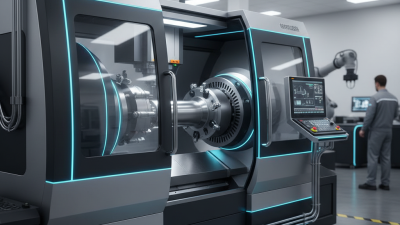
Finding a trustworthy Big Bore CNC Lathe factory in China isn’t exactly a walk in the park for international buyers these days. These factories are super important—they produce high-quality machines that need to meet global standards. With the industry moving so fast, it’s really key for buyers to get a good handle on what options are out there.
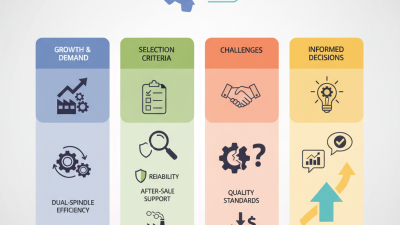
China has tons of big bore CNC lathe factories, but not all of them are equal when it comes to skill and quality. Buyers should keep an eye on things like production capacity, tech know-how, and how responsive or helpful the customer service is. Some factories might say they have the latest tech, but more often than not, they don’t quite deliver on those promises.
It’s definitely smarter to work with well-established factories—names like Zaozhuang Dali Machinery and Shenyang Machine Tool often come up. Still, just going with the well-known ones isn’t enough. You gotta dig into their machinery quality, check out reviews and feedback from other customers, and really do your homework. Skipping this step could mean ending up with a factory that doesn’t quite meet your needs. So yeah, finding the right partner takes some careful research and paying attention to the nitty-gritty details, but it’s worth it in the end.
Overview of Big Bore CNC Lathes and Their Applications
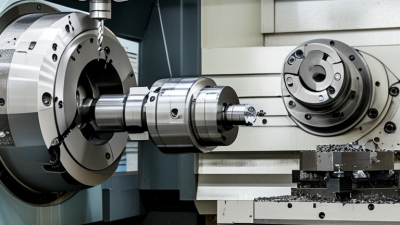
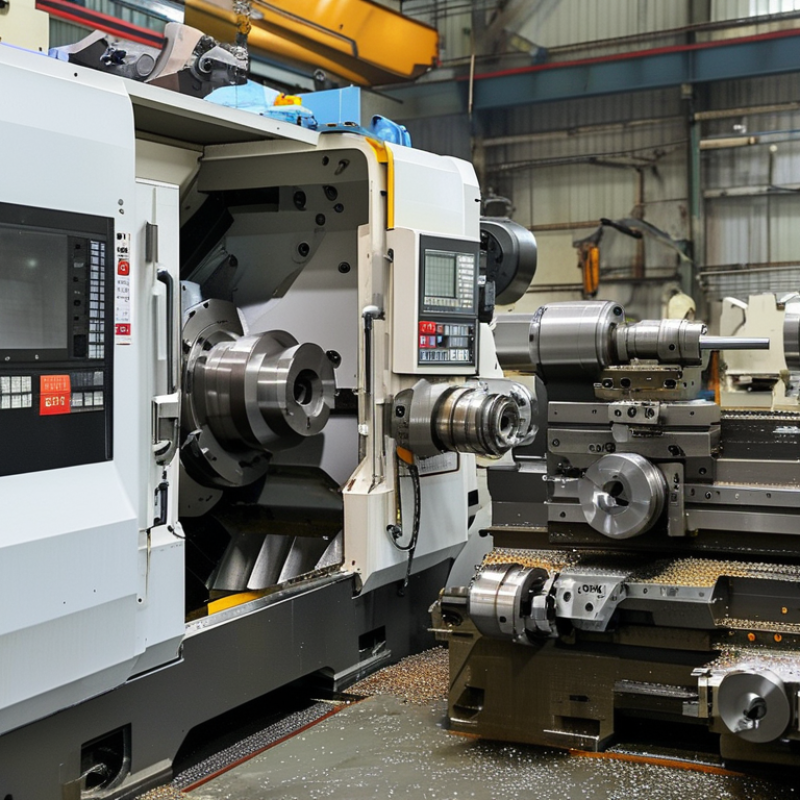
Big bore CNC lathes are vital in various industries. They allow for efficient machining of large parts and components. Common applications include oil and gas, defense, and aerospace. The capability to handle substantial materials makes them essential.
These machines are designed for heavy-duty tasks. They often feature larger spindles and robust constructions. This empowers them to manage tough materials that smaller lathes cannot. However, their complexity can be daunting. Operators need proper training to maximize efficiency and ensure precision.
Purchasing from reputable manufacturers is crucial. Buyers should verify the factory’s experience in producing big bore CNC lathes. Quality control processes are also essential. Yet, challenges remain. The integration of new technology can be slow for some factories. This leads to outdated techniques and potential inefficiencies. Understanding these flaws can help buyers make informed choices.
Key Features to Look for in a Big Bore CNC Lathe
When selecting a big bore CNC lathe, key features play a crucial role. A crucial aspect is the spindle size. Larger spindles allow for bigger workpieces and improved stability. A robust spindle enhances precision during machining. Equally important is the tool capacity. A lathe that can hold more tools will increase productivity. This is vital for applications requiring frequent tool changes.
Another feature to consider is the power and torque of the machine. A powerful machine can handle tougher materials. It helps ensure smooth cutting even at high speeds. Pay attention to the machine's rigidity as well. A rigid structure minimizes vibrations, leading to better surface finishes and reduced wear.
Software compatibility is essential as well. Good CNC lathes come with user-friendly interfaces. They support various programming languages to accommodate different user needs. It is also important to review the customer's experience with machine reliability. Research and feedback can highlight potential weaknesses in specific models. Always weigh these factors before making a decision.
Top Big Bore CNC Lathe Manufacturers in China
Big bore CNC lathes are vital for various industrial applications. They enable efficient machining of large parts, offering precision and speed. Many factories in China specialize in manufacturing these high-demand machines. They focus on creating robust designs to ensure durability under heavy workloads. The competitive nature of this industry pushes manufacturers to innovate continuously.
Quality should be a priority for buyers. Not every manufacturer guarantees reliable products. Researching factory credentials and certifications is essential. Buyers often seek advice from experienced users. Peer reviews can reveal insights about machine performance and support services. Understanding specific needs can significantly impact the purchasing decision.
Some manufacturers may lack sufficient testing protocols. This raises concerns about consistency. It’s crucial for buyers to evaluate the machine's capabilities in real-world scenarios. Engaging with multiple suppliers can illuminate differences in offerings. It's not just about price; it’s about trust and reliability in the long run. A solid investment in a
Big Cnc Lathe can yield substantial returns when the proper factory is chosen.
Quality Standards and Certifications for CNC Lathes in China
In the world of manufacturing, quality is not just a goal but a necessity. For buyers seeking Large Bore Cnc Lathes from China, understanding quality standards is crucial. Many factories claim to adhere to international standards like ISO and CE. However, actual implementation can vary. A factory might display impressive certifications, yet the real test lies in the precision of its machinery.
The production process of Large Bore CNC Lathes is intricate. Buyers should verify if factories maintain rigorous quality control measures. Does the factory invest in regular audits? Are employees trained consistently? These factors greatly influence the outcome. Not all manufacturers emphasize these points, which can lead to inconsistencies in products. A robust quality management system is vital for reliability.
Additionally, buyers must consider after-sales support. Quality doesn't stop at purchase. Some factories neglect this aspect, leaving buyers with unaddressed concerns. It’s essential to select a partner that offers comprehensive support. Without it, the risks associated with Large Bore CNC Lathes can increase. Finding a factory that balances quality and support is not easy, but it's necessary for sustainable operation.
Best Big Bore CNC Lathe Factories in China for Global Buyers
| Factory Location |
Annual Production Capacity |
Quality Certifications |
Export Markets |
Specialization |
| Dongguan, Guangdong |
500 Units/Month |
ISO 9001, CE |
North America, Europe |
Custom CNC Machining |
| Shanghai |
800 Units/Month |
ISO 13485 |
Asia, South America |
High Precision CNC Lathes |
| Ningbo, Zhejiang |
300 Units/Month |
ISO 9001, RoHS |
Middle East, Africa |
Automotive Parts Manufacturing |
| Shenzhen |
1000 Units/Month |
ISO 9001, CE, UL |
Global |
CNC Machinery Solutions |
| Hangzhou, Zhejiang |
600 Units/Month |
ISO 9001 |
Europe, North America |
General Engineering |
Supply Chain and Export Processes for Big Bore CNC Lathes
When examining the supply chain and export processes for Big Bore CNC lathes, several factors come into play. Understanding the manufacturing landscape in China is crucial. Reports indicate that China’s metalworking machinery exports were valued at over $24 billion in 2022. This highlights the significance of Chinese manufacturers in the global market.
Logistics is a major aspect of the export process. Shipping larger machines like
Big Cnc Machines poses challenges. Often, specialized freight services are required to handle these large components safely. The cost of shipping can vary widely. It may account for 10-20% of the overall product cost. Timely delivery is essential for maintaining competitiveness.
Moreover, ensuring quality control throughout the production process is critical. Manufacturers must adhere to international standards to gain buyer trust. Inconsistent quality has been a point of contention in past transactions. Companies need to invest in upgraded machinery and skilled labor for better precision. Overall, while the potential for quality and innovation is high, areas for improvement exist in the supply chain efficiency. Only then can the true benefits of these Big CNC machines be maximized in global markets.
Comparative Analysis of Prices Among Chinese Factories
When considering big bore CNC lathes, price varies significantly among Chinese factories. Buyers must navigate this landscape carefully. Many manufacturers offer competitive pricing, but factors like quality and service can differ. It’s essential to evaluate these aspects thoroughly.
The cost of a Horizontal Bore Machine can range widely. Some factories provide lower prices but may compromise on quality. Others might offer higher prices with better reliability. Understanding this trade-off is crucial for making informed decisions. Factor in not just the price but also the long-term value of the equipment.
Tips: Always request samples or previous work images. This helps in assessing the machinery's quality. Consider the total cost of ownership, including maintenance and potential downtime. Additionally, engage in discussions with multiple factories. This can give insight into market standards and help you gauge reasonable pricing. Price alone is not the only metric to consider.
Future Trends in the Big Bore CNC Lathe Market Globally
The big bore CNC lathe market is witnessing significant trends shaping its future. According to a recent industry report, the global market is projected to grow at a CAGR of 5.2% through 2027. This surge is driven by increasing demand across various sectors, including aerospace and automotive, where precision machining is paramount. With advancements in technology, manufacturers are investing in automation and smart manufacturing solutions. These innovations enhance efficiency and reduce human error, vital for competitive positioning.
Additionally, sustainability is becoming a crucial aspect in the production of big bore CNC lathes. Research indicates that companies committing to sustainable practices see increased operational efficiency. However, many factories still struggle with integrating eco-friendly processes. While some manufacturers have adopted renewable energy sources, others face challenges in the transition. There is a need for widespread recognition of these environmental issues within the industry.
Moreover, supply chain dynamics are changing. Global buyers are increasingly focused on sourcing from reliable suppliers that offer both quality and transparency. Data shows that 58% of buyers prioritize factories that demonstrate robust quality control measures. Yet, not all factories meet these expectations, leading to inconsistencies in product delivery. Addressing these gaps will be essential for factories in maintaining buyer trust and staying competitive in the evolving market landscape.
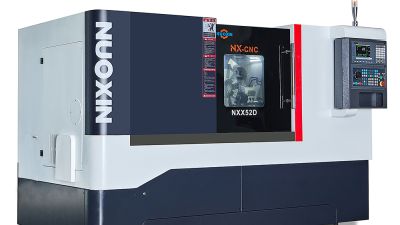
Examining Global CNC Lathe Market Trends: The Competitive Edge of the CNC Slant Bed Lathe NXX-52D in Precision Machining
The CNC lathe market is witnessing significant transformations, particularly with the introduction of advanced models like the CNC slant bed lathe NXX-52D. This machine stands out in precision machining due to its reliable modular configuration and the integration of high-quality components sourced from leading suppliers. Recent industry reports indicate that the demand for precision CNC lathes is projected to grow at a CAGR of 6% over the next five years, driven by increased automation and the need for higher manufacturing efficiency.
Key to the NXX-52D's competitive edge is its spindle unit, engineered with ultra-precision bearings that provide exceptional rigidity and thermal stability at high speeds. This capability is enhanced by an efficient servo motor system, ensuring rapid responses necessary for high-throughput environments. Furthermore, the feed axes of the machine are powered by superior servo technologies that enable smooth control and minimize feed errors, an essential requirement in industries where precision is paramount.
Moreover, the foundation of the NXX-52D, constructed from high-strength cast iron, ensures long-term stability and vibration damping. This robustness, combined with the flexibility to customize configurations based on specific machining requirements, positions the NXX-52D as an ideal solution for manufacturers looking to invest in cutting-edge technology for enhancing productivity. With the capability to accommodate rapid tool changes through hydraulic or servo indexing turrets, this CNC lathe not only aligns with industry trends but also promises to meet the evolving challenges of modern manufacturing.
FAQS
: They are primarily used in industries like oil and gas, defense, and aerospace for machining large parts.
Robust constructions enable the lathes to handle tough materials that smaller machines cannot manage efficiently.
The complexity of these machines requires proper operator training to ensure efficiency and precision.
It's crucial to verify a manufacturer's experience and quality control processes before making a purchase.
Buyers must check if factories genuinely implement quality standards like ISO and CE, rather than just displaying them.
After-sales support is vital; lack of it can lead to unresolved issues and increased operational risks.
Insufficient testing can lead to product inconsistencies, making it necessary to assess a factory’s capabilities thoroughly.
Experienced user insights can reveal practical machine performance and the quality of support services offered.
Slow technology integration may leave manufacturers using outdated techniques, leading to inefficiencies.
Many believe low price guarantees good value, but trust and reliability should be prioritized.
Conclusion
The article provides a comprehensive overview of big bore CNC lathes, emphasizing their diverse applications in various industries. It highlights the key features buyers should consider when selecting a lathe, such as precision, durability, and ease of operation. Furthermore, the discussion focuses on the leading big bore CNC lathe factories in China, which are renowned for their innovation and production capabilities.
Additionally, the piece covers essential quality standards and certifications that these factories adhere to, ensuring high-quality output for global buyers. It also examines the supply chain and export processes associated with big bore CNC lathes, alongside a comparative analysis of pricing among different Chinese manufacturers. Finally, the article explores future trends in the global market for big bore CNC lathes, indicating the ongoing evolution and growing demand within this sector.