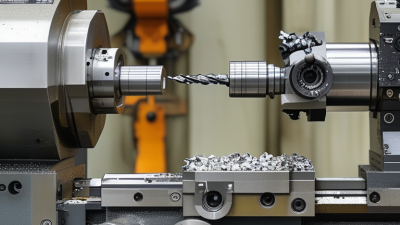
When folks get into machining equipment, a common question that pops up is, what's really the difference between a horizontal and vertical turret lathe? These machines are pretty much the backbone of manufacturing and precision work. Knowing what each one can do is super important if you want to pick the right tool for the job.
Horizontal turret lathes are designed to make loading and unloading a breeze. They give you a sturdy setup, especially useful for larger pieces. On the flip side, Cnc Vertical Turret Lathes tend to be a bit more compact, making them great for handling smaller parts with precision. Both have their own pros and cons, so it’s really about figuring out what your specific production needs are.
Deciding which lathe to go for isn’t just about how they look or their layout. You’ve gotta consider things like how much you’re producing, the kind of materials you're working with, and just how precise you need the machining to be. Companies like XYZ Manufacturing have really benefited from understanding these differences. Picking the right machine can make everything run smoother and save some cash in the long run. But hey, it’s also worth pausing to think about your actual machining process—sometimes, the less obvious choice might be the best one after all.
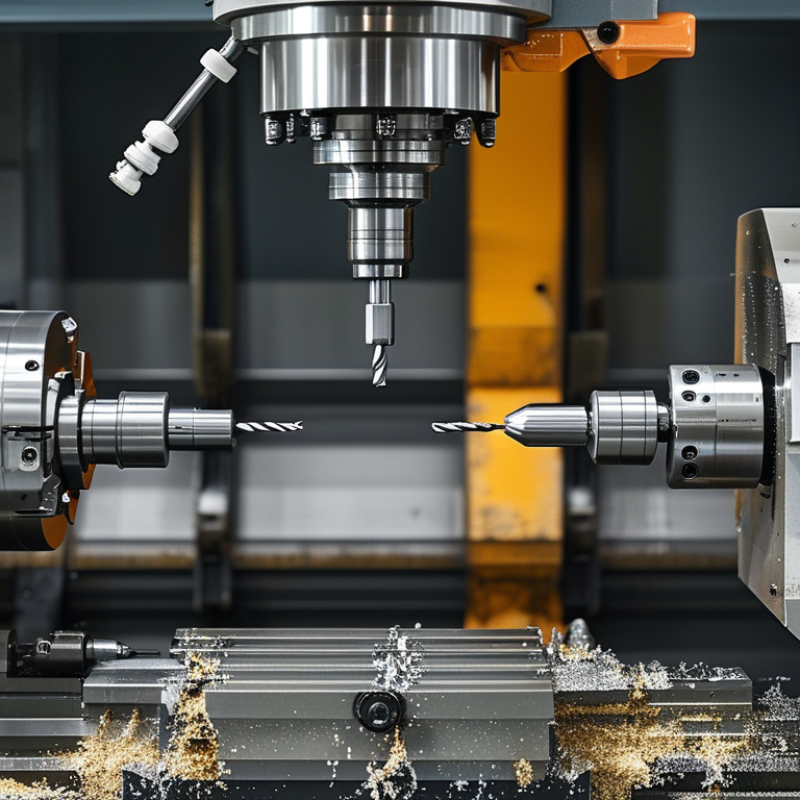
Understanding the Basics of Turret Lathes
Turret lathes play a crucial role in modern machining. They allow for the quick and efficient production of complex parts. Understanding the differences between horizontal and vertical turret lathes is essential for selecting the right tool.
Horizontal Turret Lathes are widely used for their versatility. They enable operators to perform multiple machining operations on a single setup.
Vertical turret lathes, on the other hand, offer distinct advantages for specific applications. Their upright design simplifies loading heavy workpieces. This design flexibility can lead to improved precision in some circumstances. Users should consider their specific needs and the type of materials they will be working with. This decision can influence overall machining efficiency.
However, each type of turret lathe has its limitations. Horizontal Turret Lathes might not handle tall components as effectively as their vertical counterparts. Understanding these nuances is vital for anyone looking to invest in these machines. Real-world experience with both types can reveal unexpected challenges. Observing how they perform in practice enhances knowledge in machining operations.
Defining Horizontal Turret Lathes
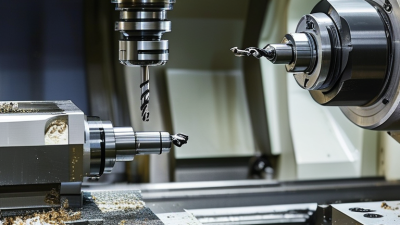
Horizontal turret lathes are a crucial part of modern machining processes. They feature a rotating turret that holds multiple tools, allowing for efficient metal shaping. The horizontal design means that the spindle lies parallel to the ground, facilitating easier material loading and tool changes. This configuration often enhances visibility for the operator, making precision work easier.
For best results, ensure the workpiece is securely clamped. Loose parts can lead to inaccuracies. Regularly check tool alignment. Misalignment can affect the quality of the finished product.
The versatility of horizontal turret lathes is notable. They can perform various operations like turning, drilling, and threading. However, they may not be suitable for intricate designs. Some operators find challenges in adjusting the turret quickly. Practice is essential for efficiency. Familiarity with the machine can improve productivity.
Consider training sessions for new operators. A well-trained team can avoid common pitfalls. Encourage peer reviews of work to enhance quality checks. This ensures higher standards in production.
Key Features of Horizontal Turret Lathes
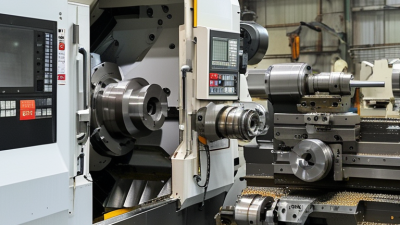
Horizontal turret lathes are designed for efficient metalworking. They feature a rotating turret that holds multiple tools. This allows for quick tool changes, enhancing production speed. The horizontal configuration enables better visibility and access to the workpiece. Operators can easily monitor the cutting process.
One distinct feature of horizontal turret lathes is their robust construction. They often support heavier workpieces compared to vertical designs. The bed of the machine usually has a flat surface. This stability helps with precision during operations. Additionally, horizontal lathes are often favored for repetitive tasks, such as batch production.
However, they can have limitations. Since the turret rotates horizontally, it may require more floor space. This could be a concern in smaller workshops. Operators might need to adjust their workflow for efficiency. Balancing speed and precision often leads to challenges. Each feature adds to the machine's complexity. Understanding these aspects is crucial for optimal use.
Defining Vertical Turret Lathes
Vertical turret lathes are distinct in their design and functionality. These machines feature a vertically aligned spindle and rotating workpiece. This setup allows for effective machining of large and heavy components. The turret attachment facilitates quick tool changes, making the process more efficient. According to industry reports, vertical turret lathes can increase production efficiency by up to 30% compared to conventional lathes.
Operators appreciate the stability offered by vertical turret lathes, especially when working on heavy-duty parts. The vertical orientation reduces vibrations during machining. This leads to improved surface finishes and dimensional accuracy. However, the complexity of these machines may pose a learning curve for new operators. Proper training and experience are essential to fully leverage the machine's capabilities.
Moreover, maintenance is a critical aspect that should not be overlooked. While vertical turret lathes are robust, they require systematic upkeep to avoid downtime. Regular inspections can identify wear and tear. A study showed that neglecting maintenance can decrease machine performance by nearly 15%. Thus, investing in regular service and operator training can maximize the benefits of these machines for businesses.
Key Features of Vertical Turret Lathes
Vertical turret lathes are distinct for their ability to deliver precision machining. These machines offer various key features that enhance their usability in different applications. With a vertical workpiece orientation, they enable operators to have better visibility and access, which can significantly improve safety. Industry reports suggest that around 70% of manufacturers prefer vertical lathes for complex shapes. This is largely due to their ability to support larger parts effectively.
The turret itself also stands out, featuring multiple cutting tools that can be rotated quickly. This ability allows the Lathe Vertical to change tools without needing to stop operations. In fast-paced production environments, this can lead to a 30% increase in efficiency. Despite their advantages, setup time can be longer for vertical machines compared to horizontal ones. Operators must ensure optimal alignment for effective tooling, which sometimes poses a challenge.
Moreover, the rigidity of vertical turret lathes varies. If not properly calibrated, it may lead to inaccuracies in machining. The need for constant maintenance is apparent to keep these lathes performing at optimal levels. Many operators report that while vertical lathes are robust, the learning curve can be steeper due to their complex setup and operation. Understanding these nuances is essential for making informed decisions regarding equipment investments.
Comparative Analysis of Horizontal vs. Vertical Turret Lathes
When comparing horizontal and vertical turret lathes, various factors come into play. Horizontal turret lathes are designed for extensive machining tasks. They provide better accessibility for loading and unloading heavy workpieces. However, vertical turret lathes, or Cnc Vertical Lathes, facilitate easier chip removal. This design can lead to more efficient cutting and less downtime during operations. Each type has its unique strengths and weaknesses.
One must consider the specific applications for which these lathes will be used. Horizontal models are ideal for larger components, while vertical ones excel in precision machining. For instance, if a workshop focuses on small batches of high-precision parts, investing in a Cnc Vertical Lathe could be more beneficial. Yet, the choice can also depend on the available workspace. Vertical lathes require a different floor footprint than their horizontal counterparts that might not fit every shop layout.
Tips for selecting the right lathe include understanding your production needs and space constraints. Weigh the benefits of ease of use against the specific machining tasks you face. It's also wise to consult with specialists to evaluate both options properly. Keeping your shop’s long-term goals in mind can help you avoid hasty decisions. Consider testing both types before making a commitment. Your trade-offs today could influence your productivity tomorrow.
Applications and Use Cases for Both Types of Turret Lathes
Horizontal and vertical turret lathes serve unique functions in machining. Horizontal turret lathes are excellent for large, heavy workpieces. They offer stability and allow for easy access to parts. This design is often utilized in mass production. Industries like automotive frequently employ this setup for repetitive tasks. The layout makes it simple to manage tools and changes during operation.
On the other hand, vertical turret lathes shine in versatility. They are ideal for smaller, intricate components. Cnc Vertical Turning Lathes enable manufacturers to create complex shapes with precision. Aerospace and medical fields favor this equipment for detailed work. The upright configuration reduces the risk of part distortion during machining. Both types of lathes contribute significantly to production efficiency.
While both horizontal and vertical turret lathes have their advantages, challenges exist. Horizontal machines may face space constraints in smaller workshops. Vertical lathes, while precise, require careful programming to maximize their capabilities. Understanding these nuances can help manufacturers choose the right tool for specific projects.
FAQS
: They provide improved visibility and access for operators, enhancing safety during machining.
Approximately 70% of manufacturers favor them because they effectively support larger parts.
Vertical turret lathes can rotate multiple cutting tools quickly, increasing efficiency by up to 30%.
Setup time can be longer compared to horizontal lathes due to the need for precise alignment.
Constant maintenance is required to ensure accurate performance and prevent machining inaccuracies.
No, the learning curve can be steep due to complex setups and operations.
They are favored in aerospace and medical fields for producing detailed, intricate components.
They may encounter space constraints, especially in smaller workshops.
Proper programming is essential to maximize their capabilities during operation.
Horizontal lathes suit heavy production, while vertical lathes excel in precision and versatility for smaller parts.
Conclusion
Turret lathes are essential machine tools used in manufacturing for precision machining of various materials. Understanding the basics of turret lathes involves recognizing two main variants: horizontal and vertical turret lathes. What's the difference between a horizontal and vertical turret lathe? Horizontal turret lathes feature a spindle axis that is parallel to the ground, allowing for efficient operations in long, straight cuts and easier access for larger workpieces. In contrast, vertical turret lathes orient the spindle vertically, which is beneficial for machining heavier parts that require more stable support and reduced vibration.
Key features of horizontal turret lathes include their ability to accommodate larger workpieces and a variety of tooling configurations, while vertical turret lathes excel in producing complex shapes and provide better convenience for loading heavy materials. The comparative analysis highlights the unique strengths of each type, with horizontal lathes being popular for mass production, whereas vertical lathes are often preferred for custom machining tasks. Ultimately, the choice between the two depends on the specific applications and machining needs of a project.