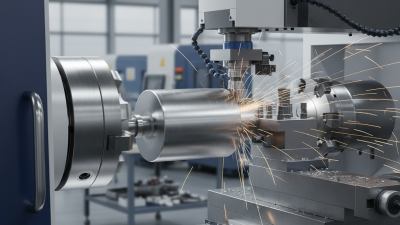
Horizontal lathe drilling is quite a specialized skill that really requires both experience and a keen eye for detail. I remember Michael Johnson from Precision Machining Solutions mentioning that when you talk about drilling horizontally with a lathe, it's all about understanding what the machine can do. That kind of insight really hits home when you're trying to get it right.
If you’re working with a CNC lathe — and honestly, mastering horizontal drilling can seriously up your game in manufacturing — it’s all about paying close attention to your setup and choosing the right tools. Getting the alignment just right is super important, because even tiny missteps can mess up the finished piece. Using good quality tools can really make a difference, no joke.
Becoming really good at this isn’t something you just pick up overnight. It takes practice, a bit of analysis, and a willingness to learn from your mistakes. Every time you drill a hole, it’s like a little step forward in your progress. And yeah, mistakes happen — but they’re actually just opportunities to get better. Reflecting on what went wrong and figuring out how to do it right next time—that’s where the real growth happens. So, every challenge faced in horizontal lathe drilling is actually a chance to level up your skills and become more confident in the process.
Understanding Horizontal Lathe and Its Applications
Horizontal lathes are vital in various manufacturing industries. This equipment excels in shaping materials like metal and wood. By rotating a workpiece against a cutting tool, lathes create precise parts. Engineers appreciate their versatility in producing components for machinery, automotive, and aerospace sectors.
Understanding how to operate a horizontal lathe is key. Operators must ensure the workpiece is correctly mounted to prevent vibrations. Proper alignment is crucial for achieving accuracy. Also, tool selection plays a significant role. A dull tool can lead to imprecise cuts and wasted material.
Safety is paramount when using these machines. Operators should always wear protective gear. It's easy to overlook minor adjustments, but they can significantly impact the final product. Learning from mistakes is part of the process. Continuous practice helps refine technique and enhance skill levels.
5 Essential Tips for Horizontal Lathe Drilling Techniques
| Tip |
Description |
Benefits |
| 1. Select the Right Tool |
Choose a cutting tool that is suitable for the material and intended operation. |
Improves precision and reduces wear on tools. |
| 2. Adjust Speed and Feed Rates |
Optimize spindle speed and the feed rate according to the material properties. |
Enhances surface finish and increases tool lifespan. |
| 3. Use Proper Lubrication |
Implement cutting fluids or lubricants to reduce friction during drilling. |
Minimizes heat generation and prevents tool damage. |
| 4. Maintain Stable Setup |
Ensure the workpiece is securely mounted to prevent vibration. |
Increases accuracy and prevents damage to the workpiece. |
| 5. Regular Maintenance |
Perform routine maintenance on the lathe to ensure optimal performance. |
Extends the life of the machine and improves overall productivity. |
Choosing the Right Tools for Horizontal Lathe Drilling
Choosing the right tools for horizontal lathe drilling is crucial for achieving precision and efficiency. Start with the drill bits. The type and size of the bit directly affect the outcome. High-speed steel and carbide are popular materials known for their durability. Proper dimensions ensure a snug fit in the tool holder, which minimizes vibrations and enhances accuracy during operation.
Another key aspect is the lathe itself. Ensure it has the appropriate specifications for your drilling needs. Features like variable speed settings allow for adjustments based on material type. Pay attention to the tailstock and quill capabilities as well; they should be robust enough to maintain steady support. Neglecting this can result in misalignment and subpar results.
Lastly, consider the workholding devices. A reliable chuck or vise is essential for securing your workpiece. They must align perfectly to prevent any movement during drilling. Remember, a setup that lacks stability can lead to errors. It's a point worth reflecting on; a small oversight here can derail your entire project. Proper tool selection underpins successful horizontal lathe drilling. Careful consideration upfront saves time and frustration later.
5 Essential Tips for Horizontal Lathe Drilling Techniques
Mastering Setup Procedures for Optimal Performance
Setting up a horizontal lathe, particularly a Gantry Lathe, requires a precise approach. Proper alignment is crucial for achieving optimal performance. Misalignment can lead to tool wear and decreased accuracy, impacting production efficiency. According to a recent industry report, misalignment can reduce tool life by up to 30%. Ensuring that the lathe is leveled and calibrated properly will minimize these risks.
Another critical aspect is the workpiece setup. It should be securely mounted to prevent vibration during drilling. Vibration can induce chatter, affecting surface finish quality. A well-secured workpiece also reduces the risk of accidents. Studies suggest that 60% of lathe-related issues stem from improper workpiece attachment. Operators should routinely check clamping systems for wear and corrosion. Small, overlooked factors can lead to significant problems in production.
Lastly, monitoring coolant usage and temperature is vital. Inadequate cooling can lead to overheating, negatively influencing tool life and workpiece integrity. Reports indicate that proper cooling can improve machining efficiency by up to 25%. Operators should adjust coolant flow rates based on material type and cutting speed to maintain optimal conditions. Regular reflection on setup procedures allows teams to identify areas for improvement, enhancing overall performance.
Techniques for Maintaining Precision in Drilling
When drilling on a horizontal lathe, precision is key. Maintaining accuracy can greatly influence the final product quality. One often-overlooked aspect is tool alignment. Misalignment can lead to significant errors. Regular checks can help ensure tools are set correctly. This small step makes a big difference.
Another crucial tip is to monitor cutting speeds. If the speed is too slow, it may cause dulling. Too fast can lead to overheating. Finding the right balance is essential. Experimenting with different materials also helps determine optimal speeds. Be mindful of each material's behavior during the process.
Lastly, consider the coolant used during drilling. The right coolant not only reduces heat but also extends tool life. However, too much coolant can lead to sludge build-up. It’s important to adjust the flow based on the operation. Engage in frequent reflections on your techniques to identify areas needing improvement. Precision is an ongoing journey.
Common Challenges and Solutions in Horizontal Lathe Drilling
Horizontal lathe drilling presents unique challenges. Operators often face issues like tool wear, vibration, and misalignment. Tool wear can lead to inconsistent hole diameters. Regularly inspecting tools prolongs their life. Changing them promptly minimizes errors in production.
Vibration during drilling can cause vibrations, leading to poor surface quality. To combat this, a steady hand and proper tool holding methods are essential. Using dampeners can also reduce these vibrations. Misalignment of the workpiece can compromise accuracy. Ensuring the correct setup before starting can alleviate these issues.
Experience plays a crucial role in improving outcomes. On Cnc Lathe, meticulous attention to the setup ensures precision. Learning from mistakes is vital. Adjusting techniques based on past trials can lead to better results. Keep refining your process for continuous improvement. Openness to feedback is key in mastering horizontal lathe drilling.
Safety Practices for Operating Horizontal Lathes
Operating a horizontal lathe requires a strong focus on safety practices. According to the Occupational Safety and Health Administration (OSHA), improper use of lathes can lead to serious injuries. In fact, nearly 20% of workplace injuries in machining occur due to equipment mishandling. Keeping this in mind, it’s vital to understand efficient drilling techniques that minimize risks.
One essential safety tip involves regular maintenance checks. Ensure that all guards are in place before starting. This prevents debris and tools from causing accidents. A report from the National Safety Council shows that 50% of workplace incidents result from equipment neglect. Injury rates can be substantially reduced with regular inspections.
Another key practice is using the right personal protective equipment (PPE). Safety goggles, gloves, and noise-canceling headphones significantly reduce risk factors. Statistics indicate that wearing appropriate PPE can lower injury rates by up to 40%. Remember that a Cnc Cue Lathe can be a powerful machine, but only when operated safely will it serve its purpose. Reflecting on past incidents can help create a safer working environment.
Tips for Maintenance and Longevity of Drilling Equipment
Maintaining drilling equipment is crucial for longevity and efficiency. Regular maintenance keeps machinery like the
Big Cnc Lathe
running smoothly. Check for wear and tear in parts, as minor issues can escalate quickly. Inspect belts, bearings,
and gears for signs of damage. Lubrication is vital. Use the appropriate oils to prevent rust and friction.
Another key aspect is cleanliness. Dust and metal shavings can accumulate, hindering performance. Clean your
workspace consistently to avoid contamination. After usage, ensure that the drill bit and components are wiped down.
It’s not just about preventing damage; it’s about creating an environment where equipment thrives.
Operators should also seek training to enhance their skills. Knowledge of best practices boosts the efficacy of
drilling techniques. Understanding when to replace parts or make adjustments requires experience. Reflection on past
maintenance practices can guide future improvements. Mistakes may happen, but they pave the way for growth and
enhanced reliability in your drilling operations.
Maximizing Precision and Efficiency: Insights from 2023 CNC Lathe Market Report for NXX-26AS's Advanced Features and Benefits
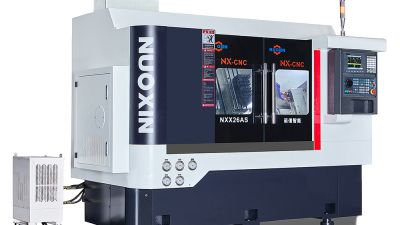
The NXX-26AS CNC lathe stands out in the competitive landscape of modern manufacturing, driven by its advanced features designed to maximize precision and efficiency. At the heart of this sophisticated machine is an intuitive CNC system that facilitates smooth operation and programming, making it an ideal solution for manufacturing environments. The dual spindle units are equipped with high-quality motorized spindles, enhanced with ultra-precision bearings that provide exceptional stability and durability, enabling high rotational speeds without compromising performance.
To further enhance machining accuracy, the NXX-26AS employs high-grade precision ball screws and robust linear guideways, ensuring superior transmission accuracy and minimizing wear during high-speed operations. The structural integrity is supported by a sturdy cast iron bed and base, which effectively dampens vibrations and reduces deformation over time. These features collectively create a stable platform for long-term, consistent manufacturing results, meeting the rigorous demands of the industry.
Additionally, the machine's electrical control system is designed for reliability, incorporating high-quality components that promise operational stability and resilience against failures. Coupled with a well-engineered hydraulic system, this CNC lathe not only assures high performance but also simplifies maintenance requirements, making it an invaluable asset for any factory looking to elevate its manufacturing capabilities in today's fast-paced market.
FAQS
: High-speed steel and carbide are popular choices. They are known for their durability and performance.
The lathe must meet specific requirements. Variable speed settings help accommodate different materials effectively.
Reliable chucks or vises securely hold your workpiece. Proper alignment prevents movement and ensures accuracy during drilling.
Tool wear, vibration, and misalignment are frequent issues. These can compromise the quality of the drilling output.
Regular inspection is key. Changing worn tools promptly helps reduce errors and maintain consistent quality in production.
Regular maintenance checks are essential. Ensure all safety guards are in place to prevent accidents.
Safety goggles, gloves, and noise-canceling headphones are crucial. They significantly decrease the risk of injury during operations.
Vibration can lead to poor surface quality. Steady tool holding and using dampeners can help minimize these issues.
Proper setup prevents misalignment. A small oversight can derail the entire project and lead to accuracy issues.
Experience improves outcomes over time. Learning from past mistakes and adjusting techniques is vital for better results.
Conclusion
Horizontal lathe drilling, often referred to as horizontal drilling on a lathe, requires a thorough understanding of both the machinery and techniques involved. The article delves into critical aspects such as the applications of horizontal lathes, highlighting their versatility in various manufacturing processes. Selecting the appropriate tools and mastering setup procedures are vital for achieving optimal performance, while maintaining precision is crucial for successful drilling operations.
The article also addresses common challenges faced during horizontal lathe drilling, offering practical solutions to enhance efficiency. Safety practices are emphasized to ensure a secure working environment, along with tips for maintaining and prolonging the lifespan of drilling equipment. Overall, these essential tips equip operators with the knowledge needed to excel in horizontal lathe drilling techniques, ultimately leading to improved workmanship and productivity.