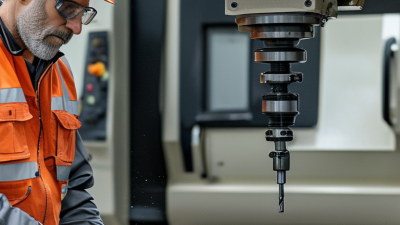
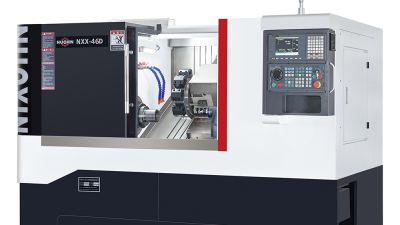
Choosing a Big Bore CNC Lathe isn't just about comparing prices from the catalog. You really gotta dig into specifics like the spindle bore, chuck capacity, max turning diameter, motor power, and whether it can handle bar feeding smoothly. These little details are what decide if that machine can reliably process thick-wall pipes, large shafts, or handle steady production runs. For example, having a 12-inch spindle bore might look pretty impressive, but if it doesn’t have enough torque, it can be pretty useless for serious work. So, yeah, specs are important, but context is everything.
Industry folks agree—it's smart to take a cautious approach here. Groups like the Association for Manufacturing Technology (AMT) keep tabs on how much machine tools are being bought in the US and show how investments shift with manufacturing trends. Meanwhile, Gardner Intelligence’s World Machine Tool Survey compares production, consumption, and trade around the world. Here’s the thing though—there's no one-size-fits-all “best” machine. Things like regional service support and delivery times matter just as much.
In this guide, I’ll walk you through different Big Bore CNC Lathe models, what they typically cost, and who the reliable suppliers are. Whether you're looking at new machines, used ones, or even custom setups, I’ve got you covered. When it comes to choosing a supplier, it’s important to check their track record—installation history, spare parts availability, training support, and how they handle after-sales service. Companies like Haas Automation, Mazak, Doosan, and SMTCL each target different needs and budgets. That said, don’t just go by the listed prices—they don’t tell the whole story. Things like tooling, shipping, installation, software, and import taxes can add up quickly, and often they're not included in the quote. So, always ask for a detailed, written quote that breaks down every option. In the end, making a good comparison comes down to real-world needs and the kind of work you actually do, not just shiny numbers or attractive headlines.
Big Bore CNC Lathes: Definition, Applications, and Core Features
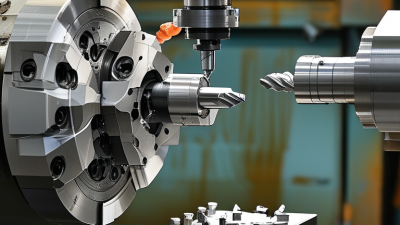
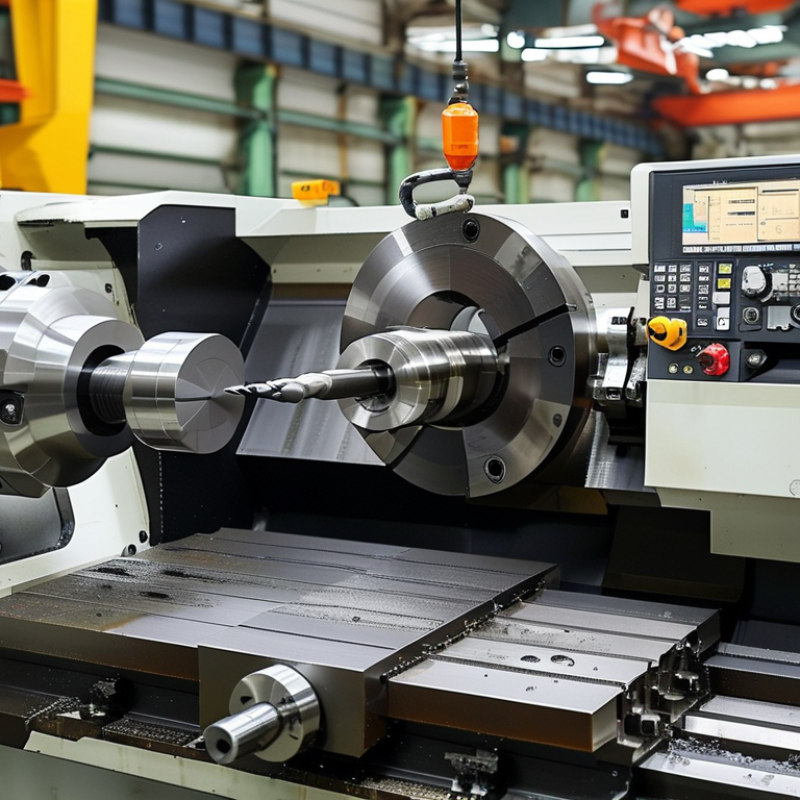
A Big Cnc Lathe is designed for workpieces requiring an unusually wide spindle bore. Its hollow spindle lets pipes, shafts, and flanges pass through the headstock. Unlike a standard CNC lathe, it combines large clearance with high torque and structural stiffness. Bore size, swing diameter, bed length, and spindle load capacity define its real working range.
Common applications include energy equipment, industrial pumps, railway components, shipbuilding, and heavy machinery repair. A useful machine usually includes a rigid cast bed, hydraulic chuck, steady rest, automatic tool turret, and effective chip removal. Some configurations add a C-axis or live tooling for drilling and milling operations. Grand View Research estimates the global CNC machine market will expand at about 9% annually from 2024 to 2030, reflecting wider automation demand. However, market growth does not guarantee suitable performance for every shop.
Pricing and supplier quotations vary sharply. Reports from MarketsandMarkets identify machine size, automation level, and control technology as major cost factors. A large-bore model may require more installation space, stronger foundations, and higher power capacity. That hidden cost is easy to miss. Buyers should request spindle bore drawings, maximum bar weight, chuck specifications, torque curves, and test-cut records. In my view, suppliers sometimes emphasize maximum swing while understating practical cutting limits. A careful trial is better. Check surface finish, thermal drift, vibration, and operator access before comparing final prices.
Key Specifications to Compare Before Buying a Big Bore CNC Lathe
When comparing a Large Bore Cnc Lathe, start with the spindle bore, not the advertised swing. A 100 mm bore may suit hydraulic shafts, but oversized tubing can still restrict tooling access. Check the maximum bar diameter, chuck capacity, spindle nose, and through-hole length together. Measure twice.
Spindle torque and power determine whether the machine can cut large steel sections without unstable speed drops. Request torque curves, not only peak horsepower. A heavy cast bed, wide guideways, and a rigid tailstock reduce vibration during deep boring. Confirm positioning accuracy and repeatability under ISO 230-2 testing conditions. These figures matter more than attractive brochure claims. The International Federation of Robotics reported 4,281,585 industrial robots operating worldwide in 2023, showing why automation readiness deserves attention. Check interface compatibility, bar-feeder support, probing, and chip-conveyor clearance before buying.
Energy and service costs also affect the real price. The U.S. Department of Energy identifies motor-driven systems as using more than half of industrial electricity, so spindle efficiency, coolant-pump control, and standby modes deserve comparison. Grand View Research valued the broader CNC machine market at approximately USD 88 billion in 2023, but that figure does not represent big-bore equipment pricing. Ask suppliers for a configuration-based quote, installation requirements, lead time, warranty limits, and local technician coverage. I would also request a cutting trial using your actual material and boring depth. Catalog performance can look excellent. Real chips may disagree.
Big Bore CNC Lathe: Indicative Price Ranges by Spindle Bore
Representative new-machine market ranges in USD, excluding tooling, shipping, installation, and taxes.
Larger spindle bores generally increase machine price because they require a larger spindle assembly, stronger chucking components, a bigger drive system, and a more rigid bed. Before buying, compare spindle bore, maximum swing, turning length, spindle speed, motor power, control system, chuck size, and service coverage—not price alone.
How Big Bore CNC Lathe Prices Are Determined
Big Bore CNC Lathe for Sale Prices and Suppliers
Big bore CNC lathe prices depend on more than the advertised machine size. The primary cost driver is the spindle bore, because larger openings require heavier castings, stronger bearings, and higher torque. A 100 mm bore machine can cost far less than a 160 mm model, even when both use similar controls. Motor power, maximum turning diameter, chuck capacity, and bed length also change the quotation. The 2024 Gardner Intelligence Capital Spending Survey shows that manufacturers continue prioritizing productivity and automation when purchasing equipment. That trend raises demand for bar feeders, parts catchers, probing systems, and robotic loading.
Supplier pricing also includes less visible costs. Freight, rigging, installation, operator training, tooling, and software may add thousands of dollars. The U.S. Bureau of Labor Statistics continues to report elevated manufacturing wage pressure, making automation more valuable over the machine’s service life. Still, payback calculations can be imperfect. A faster cycle time means little if the machine sits idle. Used machines may look attractive, but spindle wear and unavailable control parts deserve careful inspection. Warranty length and local service coverage can strongly affect the real ownership cost.
Tips: Request an itemized quotation. Compare spindle torque, not horsepower alone. Confirm the actual bore diameter. Ask for installation costs, delivery terms, and service response times. Review sample parts before choosing accuracy claims. A cheaper machine may become expensive after three urgent repairs. Check energy consumption, tooling compatibility, and operator training requirements before signing.
Leading Supplier Types and Where to Find Reliable Machines
Top Big Bore CNC Lathe for Sale Prices and Suppliers
Direct manufacturers usually offer the clearest pricing for new big bore CNC lathes. Their quotes often include spindle options, control systems, tooling, installation, and operator training. Ask for a complete configuration sheet. A low base price may exclude transport, commissioning, or special chuck jaws. These costs can change the final budget sharply.
Industrial distributors are useful when you need local service and faster communication. Many can arrange demonstrations, financing, spare parts, and preventive maintenance. Used machinery dealers provide lower prices, but inspection becomes essential. Check spindle noise, guideway wear, hydraulic pressure, turret alignment, and control backups. Request cutting videos and recent accuracy reports. Photos are not enough.
Reliable suppliers are easier to find through established machine-tool exhibitions, industrial directories, and regional distributors with service teams. Visit the supplier when possible. Watch a test cut using a large-diameter workpiece. Confirm the bore diameter, maximum swing, bed length, chuck capacity, and supported material weight. Ask for customer references from similar heavy-machining applications. I have seen attractive listings hide outdated controls or missing manuals. That is an uncomfortable reminder to verify every detail. Supplier reputation matters, but documented service performance matters more. A written warranty, response-time promise, and parts schedule can protect production better than a polished sales page.
New vs. Used Big Bore CNC Lathes: Costs and Considerations
New and used big bore CNC lathes serve different purchasing goals. A new Big Cnc Machine usually offers current controls, stronger warranties, and easier access to spare parts. Its price, however, includes financing costs, delivery, installation, and operator training. A used lathe can reduce the purchase price by 30% to 60%, depending on age, capacity, and condition. Yet hidden costs may appear through worn chucks, damaged ways, outdated software, or unstable spindle performance.
Inspect the machine under power before negotiating with suppliers. Cut a test piece and measure its diameter at both ends. Check spindle noise, hydraulic pressure, turret indexing, and alarm history. Ask for maintenance records, electrical drawings, and the original specifications. Supplier support matters more than a low listing price. A reliable seller should explain what was repaired, replaced, or left untouched. A clean machine is not automatically a good machine.
Tips: Compare total ownership cost, not only the purchase price. Request a video showing cold startup and loaded operation. Keep a repair allowance for older equipment. My practical preference is to budget conservatively, because one overlooked bearing can change the entire deal. Also verify floor space, power requirements, maximum bar diameter, and shipping access before signing. Mistakes happen here. Careful questions prevent expensive surprises.
Inspection, Installation, and After-Sales Support Requirements
Buying a top big bore CNC lathe requires more than comparing sale prices. A reliable supplier should provide inspection records, installation planning, and responsive after-sales support. Request spindle runout data, bed straightness results, chuck condition, and test-cut evidence. Ask whether the machine was tested under heavy boring loads. A Horizontal Bore Machine may look impressive on paper, yet alignment errors can appear after transport. Get tolerance figures in writing. Photos help, but they never replace measured reports.
During installation, confirm foundation drawings, lifting points, power requirements, coolant routing, and operator access. A qualified technician should level the bed, align the spindle, verify axis travel, and check lubrication pressure. Run a sample job using the material and tooling your workshop actually uses. Record vibration, surface finish, cycle time, and dimensional drift. Small details matter. Training should cover offsets, tool wear, alarms, and safe cleaning routines. Do not accept rushed handover documents.
After-sales terms deserve the same attention as the machine itself. Clarify response times, spare-part availability, remote diagnosis, and on-site service costs. Ask who handles software updates and electrical troubleshooting. Keep a signed commissioning report with baseline accuracy readings. My practical concern is simple: suppliers often promise fast support, but definitions remain vague. Test the support channel before payment. One unanswered technical question can reveal more than a polished brochure. Review the agreement when production conditions change, because early assumptions may prove wrong.
China NXX-46D Slant Bed CNC Lathe: Features, Benefits, Applications, and Supplier Selection Guide
The China NXX-46D Slant Bed CNC Lathe is designed for manufacturers seeking stable, accurate, and flexible turning performance. Industry outlook reports published in 2024 project continued growth in the global CNC machine-tool market, driven by demand for automation, tighter tolerances, and reduced production cycles. This model addresses these needs with a stable CNC control platform, a rigid monolithic cast-iron base, and a precision spindle supported by high-grade P4 bearings. The result is improved vibration damping, consistent cutting accuracy, and reliable performance during continuous machining.
Its X- and Z-axis systems combine high-performance servo motors, precision ball screws, precision bearings, and P-class linear guideways. These components support smooth movement, strong repeatability, and long-term geometric accuracy. Hydraulic or servo-driven indexing turrets enable rapid tool changes and accurate positioning, helping reduce non-cutting time. Reliable electrical and hydraulic components further support safe, stable operation and efficient power transmission.
The NXX-46D is suitable for shafts, flanges, bushings, fittings, and other complex metal components used in automotive, energy, industrial machinery, and general engineering applications. When selecting a supplier, buyers should evaluate spindle power, maximum turning diameter, axis travel, turret capacity, service response, spare-parts availability, and acceptance testing. Customized configurations can also align the machine with specific materials, tolerances, production volumes, and automation requirements.
FAQS
Start with the spindle bore, not the advertised swing. A 100 mm bore may suit hydraulic shafts, but tubing can still limit tool access. Measure twice.
Check maximum bar diameter, chuck capacity, spindle nose, and through-hole length together. A large bore alone does not guarantee easy workholding.
Torque helps maintain cutting stability in large steel sections. Request torque curves instead of reviewing peak horsepower alone. Numbers can look impressive.
A heavy cast bed, wide guideways, and a rigid tailstock improve stability. Watch the boring bar closely. Vibration may appear only during actual cutting.
Ask for positioning accuracy and repeatability measured under ISO 230-2 conditions. Request sample parts or a cutting trial using your material and boring depth.
Confirm interface compatibility, bar-feeder support, probing, robotic loading options, and chip-conveyor clearance. Automation helps, but idle equipment still costs money.
Freight, rigging, installation, training, tooling, and software may add thousands of dollars. Request an itemized quotation. Small omissions become expensive.
Used machines may cost less, but inspect spindle wear and control-part availability carefully. A low price can become costly after urgent repairs. I might underestimate downtime.
Compare spindle efficiency, coolant-pump control, standby modes, and total energy consumption. Motor-driven systems can use substantial industrial electricity.
Confirm delivery terms, installation requirements, warranty limits, service response times, and local technician coverage. Also review operator training needs. Get everything in writing.
Conclusion
Big bore CNC lathes are designed for machining large-diameter workpieces, pipes, shafts, and components that require substantial spindle capacity and strong cutting performance. When searching for a big bore cnc lathe for sale, buyers should compare spindle bore, chuck size, swing diameter, maximum turning length, motor power, control system, accuracy, tooling compatibility, and available automation. These specifications directly affect productivity, machining range, and long-term operating costs.
Prices are influenced by machine size, precision, configuration, new or used condition, optional accessories, and technical support. New machines generally offer updated controls, warranties, and customization, while used lathes may reduce the initial investment but require careful inspection of the spindle, guides, ballscrews, electrical system, and maintenance history. Reliable suppliers should provide clear specifications, machine testing, installation guidance, operator training, spare parts, and responsive after-sales service. A complete evaluation of price, performance, delivery, installation, and support will help buyers select a dependable machine for their production needs.