inquiry
Inquiry
Form loading...
0%

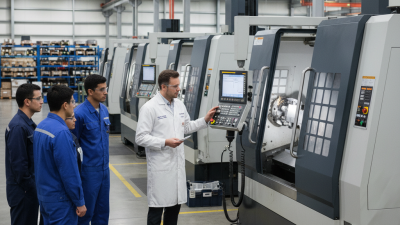
Deciding between horizontal and vertical turret lathes isn’t always a walk in the park. Honestly, it depends a lot on what you’re trying to do. John Smith, a pretty well-known guy over at Precision Machinery Corp, mentions, “Knowing the difference between these two types of lathes is key if you want your operations to run smoothly and efficiently.” That really hits home across the industry because making the right choice is pretty crucial.

Now, horizontal turret lathes are great when you’re working with long, thin pieces. They’re super stable and great for doing the same job over and over again without fuss. On the flip side, Cnc Vertical Turret Lathes are better suited for tackling heavier, bulkier parts. They’re usually easier to operate, especially when dealing with complex shapes. Both types have their own strengths — it really just boils down to what you need.

But here’s the thing: the best choice really depends on your specific situation, which can be pretty subjective. Taking some time to analyze your production needs and workflow can definitely help you make a smarter decision. When comparing machines, don’t forget to look beyond just the specs — think about your long-term goals too. Balancing cost, productivity, and precision is the key. Poking around these factors a bit more can make a big difference in picking the right machine and keeping your operations running smoothly.
2026 How to Choose Between Horizontal and Vertical Turret Lathes?

Understanding the Basics of Horizontal and Vertical Turret Lathes

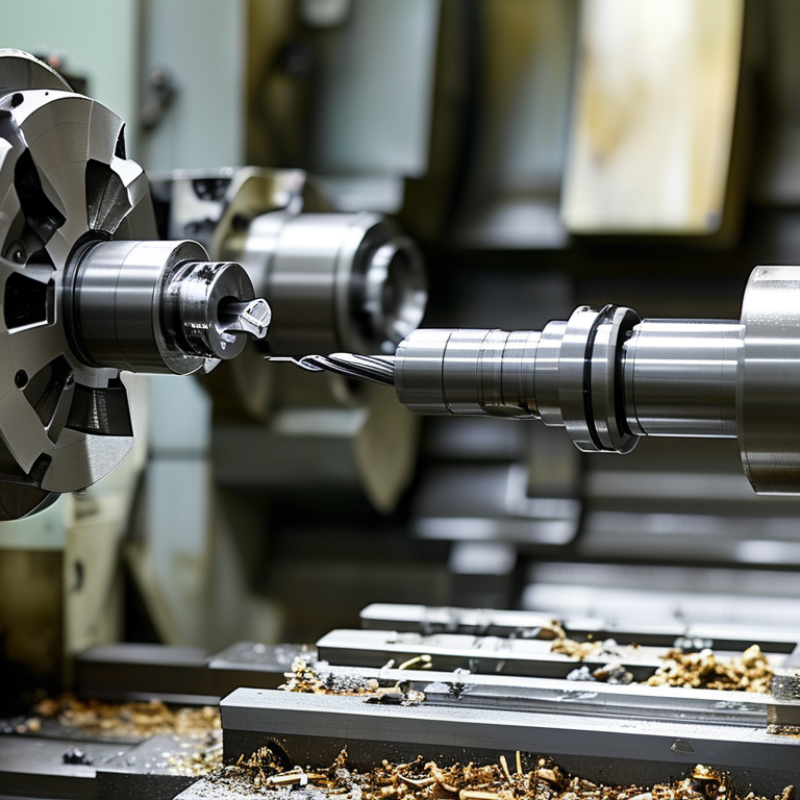
When selecting between horizontal and vertical turret lathes, understanding their basic structures is crucial. Horizontal Turret Lathes are typically more stable for larger parts. They allow for better chip removal and enhanced cutting efficiency. In contrast, vertical turret lathes are often used for smaller, more intricate designs. Their setup usually requires less floor space, making them ideal for smaller workshops.

The choice largely depends on the types of projects you handle. Horizontal turret lathes can accommodate heavier workloads, while vertical lathes shine in precision tasks. Factors such as maintenance costs, available space, and your specific machining needs should be assessed carefully. Each type presents its own pros and cons, requiring thoughtful consideration.

It's also valuable to reflect on your own experience with these machines. Over time, you may find that a certain type better suits your workflow. Commitment to practice can lead to improved efficiency and quality in your work. Understanding these lathes deeply will enhance your decision-making, leading to a more effective choice in your machining projects.

Comparison of Horizontal and Vertical Turret Lathes

This chart illustrates the key factors to consider when choosing between horizontal and vertical turret lathes, including cost, space efficiency, ease of use, and versatility.

Key Differences Between Horizontal and Vertical Turret Lathes

When choosing between horizontal and vertical turret lathes, understanding their key differences is crucial. Horizontal turret lathes are commonly used for large-scale machining projects. Their design facilitates easy access to workpieces, making it efficient for heavy operations. They often feature powerful motors and can handle significant material removal quickly.

On the other hand, vertical turret lathes are ideal for smaller, more intricate tasks. The vertical setup allows for better visibility and control during machining. This type is often preferred for precision work, especially in aerospace and automotive applications. However, they may require more skill and time for setup.

Both options have their pros and cons. Horizontal lathes offer speed and power but may limit visibility. Vertical lathes provide precision but can be slower. It’s important to reflect on your specific needs and the types of projects you undertake. Selecting the right lathe can directly impact productivity and quality.

Factors to Consider in Choosing a Turret Lathe Type

When selecting between horizontal and vertical turret lathes, several key factors come into play. The choice is often influenced by the specific machining tasks at hand. Horizontal turret lathes excel in large production runs. They can handle extensive cutting cycles efficiently, making them ideal for repetitive tasks. Reports indicate that manufacturers using horizontal lathes increased productivity by 35% over conventional lathes.

In contrast, vertical turret lathes offer benefits for complex workpieces requiring versatility in angles and depths. They are preferred in industries producing intricate designs. Industry data suggests that vertical lathes can reduce setup times by up to 20%. However, operating these machines requires skilled labor, which can impact overall efficiency.

Space availability is another critical consideration. Horizontal lathes generally require more floor space than vertical counterparts. Companies must assess their workshop layout closely. Additionally, the material to be machined plays a role. Harder materials may benefit from the rigidity of vertical lathes. Meanwhile, softer materials are often better suited for horizontal models. Balancing these factors is essential for optimal production efficiency.

Applications Best Suited for Horizontal Turret Lathes

Horizontal turret lathes excel in various manufacturing applications. Their design allows for quick setups and efficient switching between tasks. This makes them ideal for mass production of small to medium-sized parts. Industries like automotive and aerospace often rely on these lathes for their ability to produce precision components rapidly.

One primary application is in the production of cylindrical parts. Horizontal turret lathes can easily handle bars of metal. Their ability to automate processes increases efficiency significantly. Another advantage is their capability to produce complex shapes with multiple operations in one setup. This reduces the risk of errors and boosts productivity.

Challenges do exist, though. Not every production environment can benefit from horizontal turret lathes. For instance, they may require more space and maintenance compared to vertical options. Also, not every operator may have the necessary training to maximize their potential. Careful consideration is essential before opting for this machinery.

Applications Best Suited for Vertical Turret Lathes

Vertical turret lathes excel in applications requiring precision and versatility. They are particularly beneficial for large, heavy parts. Industries like aerospace and automotive often rely on this machinery to enhance production efficiency. The design allows for quick tool changes, making it easier to accommodate diverse part geometries. Operators appreciate the ease of access, increasing their productivity.

Machining high-volume components is another area where Lathe Vertical shines. These lathes offer stability, essential for achieving tighter tolerances. They handle repetitive tasks effectively, which is crucial in mass production. However, challenges arise in set-up time and operator skill. An inexperienced user might struggle to take full advantage of their capabilities. Improving training can increase operational efficiency and reduce errors.

Intricate components require careful attention. Vertical turret lathes can perform various machining operations within a single setup. This capability minimizes downtime but demands precision in programming and setup. Operators must thoughtfully assess their machining needs before selecting the appropriate lathe type. Reflecting on past experiences and providing continuous operator training can help overcome these challenges.

Cost and Maintenance Considerations for Each Turret Lathe Type

When considering turret lathes, cost and maintenance are critical factors. Horizontal turret lathes often have lower initial costs. Their setup can be simpler, making them appealing for smaller operations. However, they may require more frequent maintenance. The wear on horizontal lathes can be higher due to their design.

On the other hand, the Cnc Vertical Lathe tends to come with higher upfront costs. But the longevity and durability can offset these expenses. Vertical lathes often require less frequent servicing. Maintenance tasks can be simpler and more intuitive for the technician. It’s essential to weigh these factors based on production needs.

User experience plays a significant role in the decision. Some operators prefer the visibility and accessibility that vertical lathes provide. Others might choose horizontal options for specific projects. Each option has pros and cons that depend on your unique situation. Consider testing both styles before making a final decision.

Making the Final Decision: Practical Tips and Recommendations

When choosing between horizontal and vertical turret lathes, consider your project needs carefully. Each type has unique features that can influence the manufacturing process. The layout of your workspace can also affect this decision. Space constraints may make one option more viable than the other.

**Tips:** Assess the size and weight of the parts you'll be machining. Larger parts often benefit from a Cnc Vertical Turning Lathe. Vertical lathes can handle heavy workpieces more efficiently. Additionally, think about the complexity of your designs. Intricate shapes might be easier to achieve with a vertical setup.

Another essential factor is the type of materials you'll be working with. Some lathes perform better with specific materials. Acknowledge that certain machines may struggle with harder metals. Therefore, conducting a materials compatibility evaluation is crucial before making a commitment. Always analyze the long-term implications of your choice, especially concerning maintenance and production capabilities.

FAQS

: What are the main differences between horizontal and vertical turret lathes?

: Horizontal lathes suit large-scale tasks, while vertical lathes excel in precision work for smaller designs.

Which lathe is better for larger parts?

Horizontal turret lathes are typically more stable and handle larger workloads effectively.

What type of project is best for vertical turret lathes?

Vertical lathes shine in intricate designs, suitable for precision tasks in various applications.

How do the maintenance costs compare between the two types?

Maintenance costs can vary, requiring assessment based on specific machine usage and project demands.

Is it easier to set up a horizontal lathe compared to a vertical lathe?

Horizontal lathes generally offer easier access, while vertical lathes may take more skill and time to set up.

What factors should I consider when choosing a lathe?

Consider project types, maintenance, available space, and your own experience with each machine.

Can using the wrong lathe type affect productivity?

Yes, selecting an unsuitable lathe can directly impact quality and efficiency in your work.

How can my experience influence lathe selection?

Over time, your workflow might align better with one type, leading to improved results and efficiency.

Are there situations where both lathe types might be needed?

Yes, depending on the projects, using both can maximize capabilities and cater to diverse needs.

What should I reflect on after using these machines?

Consider how each type fits into your workflow and whether it meets your machining needs effectively.

Conclusion

When choosing between horizontal and vertical turret lathes, it's essential to understand their fundamental differences and applications. Horizontal turret lathes are typically best suited for large, heavy workpieces and high-volume production, as they offer greater stability and ease of access. In contrast, vertical turret lathes excel in machining smaller parts with precision and provide better visibility for intricate work. Understanding what's the difference between a horizontal and vertical turret lathe allows manufacturers to select the right tool for their specific machining needs.

Key factors to consider include the type of workpieces being machined, required precision, and maintenance costs. Each lathe type has its applications, with horizontal lathes being ideal for larger components and vertical lathes favored for smaller, more detailed tasks. Ultimately, making an informed choice involves evaluating these factors and considering the long-term implications of cost and upkeep for the selected turret lathe type.

Sophia

Sophia

Sophia is a dedicated marketing professional at a high-tech enterprise that has been at the forefront of precision processing equipment since its establishment in 2004. With a deep understanding of the industry, she specializes in promoting the innovative products of her company, including CNC......
Previous 5 Essential Tips for Horizontal Lathe Drilling Techniques?