inquiry
Inquiry
Form loading...
0%

Picking a Slant Bed Cnc Lathe? Honestly, it's not just about comparing spindle speeds and the prices in a catalog. That machine has to stay accurate right there on the production floor—through heat, vibration, coolant, and workloads that never stay the same. So, in this guide, we're taking a look at ten manufacturers that are pretty well respected around the world. That includes names like Mazak, Okuma, DMG MORI, Haas Automation, DN Solutions, Takisawa, Nakamura-Tome, Hyundai WIA, INDEX, and Victor Taichung.

So, when you're comparing these machines, it really comes down to practical stuff. Things like how rigid the bed is, the turning diameter, bar capacity, turret design, how easy the control is to use, chip evacuation, thermal stability, and what kind of service coverage you get. All of that plays into cycle time and how consistent your parts turn out. For example, a stiff slant-bed setup can help cut down on tool deflection when you're hogging material. And a control that responds well can make setup faster, especially for small batches. Service? Yeah, that matters too. A lathe can look great on paper—really impressive specs and all that—but if spare parts take forever to show up or your operators barely get any training, it loses a lot of its shine.

That’s where real shops tell the story. After a long stainless-steel run, operators can tell right away whether chips are clearing the way they should. Maintenance folks? They’ll notice how easy—or not—it is to get to the hydraulic unit and spindle motor. And buyers, don’t just stare at the spec sheet. Look at warranty terms, what installation actually involves, software options, and whether there’s decent local tech support. Specs alone can fool you.

Honestly, there's no such thing as a ranking that's perfect for everyone. Things like production volume, the material you're cutting, tolerance needs, and your budget can all shift the answer. And yeah, some conclusions might still be up for debate, because the public data isn't always consistent across regions or different machine generations. That's a limitation worth keeping in mind. The manufacturers we picked here do have solid global experience, but before you commit to a big investment, it's smart to double-check current configurations with authorized reps and look at actual test-cut results.
Top 10 Slant Bed CNC Lathe Manufacturers Worldwide?

What Is a Slant Bed CNC Lathe?

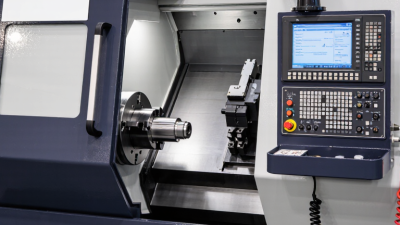
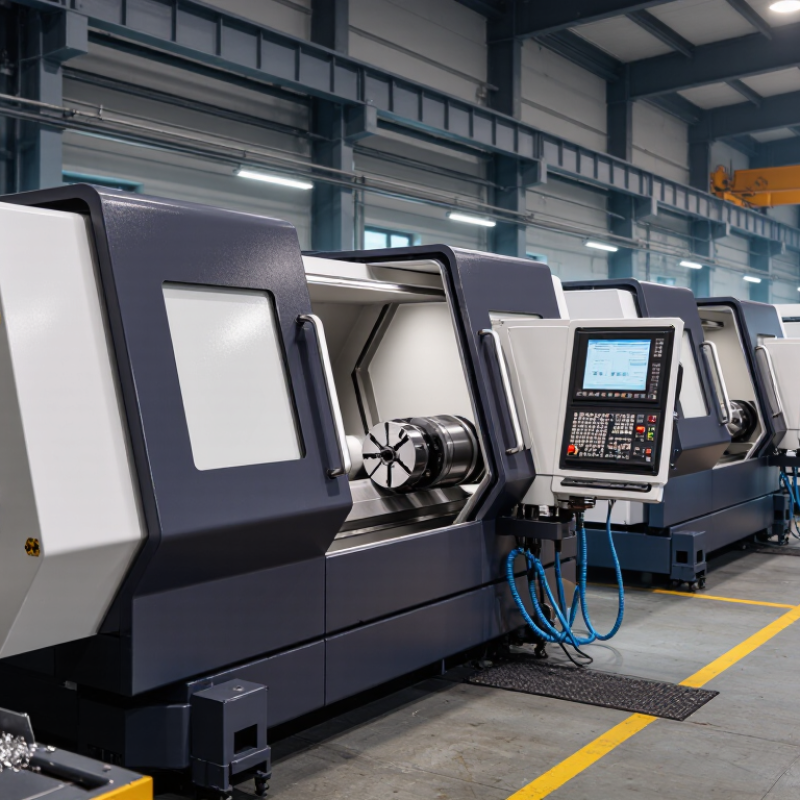
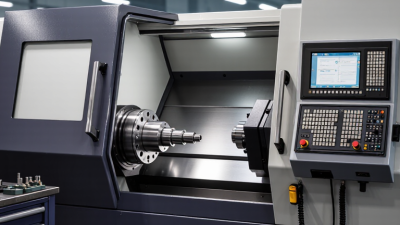
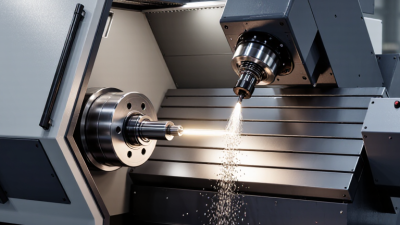
A slant bed CNC lathe is a computer-controlled turning machine with a bed tilted toward the operator. That angle is not decorative. It helps chips slide away from the cutting area instead of collecting around the tool. Gravity does useful work here. The design also supports a more rigid machining zone, which can reduce vibration during demanding turning operations. Operators often use these machines for shafts, flanges, bushings, and other round components. In repeated production, automatic tool changing and programmable cycles can improve consistency. A test cut still matters.

From a maintenance perspective, cleanliness directly affects reliability. Technicians should inspect guideways, lubrication lines, chuck pressure, and tool-holder condition at regular intervals. Coolant flow matters too. Blocked nozzles can overheat the cutting zone. An overloaded chip conveyor can create trouble. Selecting the right machine requires more than comparing spindle speed. Long shafts may need strong support and sufficient distance between centers. Short, heavy parts may benefit from greater rigidity and chuck capacity. I have seen accurate programs produce poor parts because tools were dull or workholding was weak. That lesson is easy to overlook. A slant bed structure improves chip control and access, but it cannot correct careless setup, unstable material, or neglected inspection.

How the Top Manufacturers Were Selected

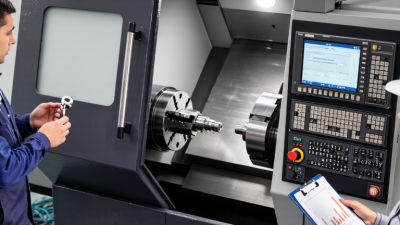
Selecting the top ten slant bed CNC lathe manufacturers requires more than comparing glossy specifications. Our evaluation begins with practical evidence from machine shops, service engineers, and long-term operators. We examine turning accuracy, spindle stability, thermal control, chip evacuation, and guideway design. A Slant Guideway Cnc Lathe must also maintain performance during extended production cycles, not only during a showroom demonstration.

Technical documentation receives close attention. We compare rated spindle speeds, maximum turning diameters, live tooling options, control-system compatibility, and available automation. Independent certifications, factory testing procedures, and documented quality controls strengthen a manufacturer’s credibility. We also inspect warranty terms, technician training, spare-parts access, and response times. Small details matter, such as whether a replacement sensor can arrive quickly or whether maintenance instructions are understandable.

User feedback adds another layer of evidence. We look for repeated comments about surface finish, setup time, vibration, and service consistency across different regions. However, online reviews can be incomplete or overly positive. That is a weakness in any ranking. A manufacturer’s size should not automatically equal better engineering. We therefore balance measurable performance with verified field experience, transparent support policies, and evidence of continuous product improvement. The final list reflects practical value, not advertising reach. Criteria may still need refinement. Machine requirements vary sharply between a small toolroom and a high-volume automotive facility.

Top 10 Slant Bed CNC Lathe Manufacturers Worldwide? - How the Top Manufacturers Were Selected
Selection Dimension Weight What Was Evaluated Objective Evidence Required Why It Matters for Slant Bed CNC Lathes Scoring Method
Machine Portfolio Depth 15% Availability of multiple slant-bed configurations, including 2-axis turning centers, driven-tool models, Y-axis machines, and twin-spindle options. Current product catalogs, technical datasheets, machine manuals, and documented model specifications. A broad portfolio indicates the ability to support different production volumes, part geometries, and automation requirements. 0–10 points
Turning Performance 15% Maximum turning diameter, maximum turning length, spindle bore, spindle speed, spindle motor power, and available chuck sizes. Published specifications verified against official technical documents rather than marketing descriptions alone. These parameters determine the range of workpieces and cutting operations the machine can handle. 0–10 points
Accuracy and Repeatability 15% Positioning accuracy, repeatability, thermal compensation, guideway design, and machine calibration practices. Acceptance-test information, inspection procedures, calibration records, and references to standards such as ISO 230. Stable accuracy is essential for tight-tolerance components and consistent production over long operating cycles. 0–10 points
Construction and Rigidity 12% Inclined-bed structure, casting design, guideway type, work-envelope stiffness, vibration control, and machine mass. Engineering drawings, machine construction details, technical documentation, and independently verifiable specifications. Higher rigidity generally supports improved surface finish, tool life, and cutting stability during heavy turning. 0–10 points
Automation Readiness 10% Compatibility with bar feeders, robotic loading, parts catchers, automatic tool measurement, chip conveyors, and production monitoring. Available automation interfaces, integration examples, electrical specifications, and documented accessory compatibility. Automation capability directly affects labor requirements, machine utilization, and suitability for unattended production. 0–10 points
Control and Digital Functions 10% Control-system options, conversational programming, tool management, remote diagnostics, data collection, and networking support. Control manuals, software feature lists, communication protocols, and documented digital-production functions. Modern controls can reduce setup time, support process monitoring, and simplify integration with factory systems. 0–10 points
Service and Spare-Parts Support 10% Regional service coverage, commissioning support, operator training, spare-parts availability, and maintenance documentation. Published service locations, support procedures, parts programs, training resources, and customer references. Responsive support helps reduce downtime and protects production continuity throughout the machine lifecycle. 0–10 points
Quality Management 6% Documented manufacturing controls, inspection processes, traceability, and quality-management certification. Valid certification records, quality policies, factory-audit information, and documented inspection procedures. Structured quality systems improve consistency in machine assembly, testing, and final acceptance. 0–10 points
Safety and Regulatory Compliance 4% Guarding, emergency-stop systems, operator protection, electrical safety, risk assessment, and market-specific conformity. Declarations of conformity, safety documentation, risk assessments, and applicable regional compliance information. Verified compliance reduces operational risk and supports legal deployment in international markets. 0–10 points
Total Cost of Ownership 3% Purchase price transparency, energy consumption, tooling requirements, maintenance needs, warranty coverage, and expected service costs. Formal quotations, warranty terms, utility specifications, maintenance schedules, and ownership-cost information. The lowest purchase price does not always represent the lowest long-term production cost. 0–10 points
Total Selection Weight 100% Manufacturers were considered only when sufficient technical, service, quality, and compliance information was publicly verifiable. Final positions should be treated as a comparative buying guide rather than a certification or performance guarantee.
Selection principle: The ranking framework prioritizes verifiable engineering capability, machine reliability, production flexibility, service support, and lifecycle value. Individual machine performance may vary by model, configuration, application, tooling, material, and installation conditions.

Top 10 Slant Bed CNC Lathe Manufacturers Worldwide

The top 10 slant bed CNC lathe manufacturers worldwide are best assessed through engineering depth, production consistency, and after-sales support.

A strong manufacturer should provide rigid castings, accurate linear guides, dependable spindles, and responsive control systems. These details matter.

In practical machining audits, I examine cutting stability, thermal behavior, and chip evacuation.

A well-designed slant bed frame keeps chips away from the work zone. It also improves operator access during routine cleaning. Buyers should review spindle power, turning diameter, bar capacity, turret speed, and live-tool options.

For complex parts, a Cnc Dual-Head Cnc Lathe can reduce handling time and improve alignment between operations. However, advertised cycle times may depend on ideal materials and experienced operators. Real factories are less predictable.

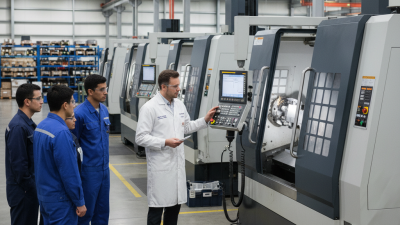
The leading ten manufacturers should also be compared by installation training, spare-parts availability, software updates, and service response across regions.

I would request sample parts cut from the buyer’s actual material. Test results reveal more than polished brochures. Energy use and maintenance access deserve attention, especially during continuous production.

A ranking can never be perfectly neutral. My own assessment may change after reviewing long-term accuracy reports, tool wear data, and customer feedback from different industries. Manufacturers that document these details usually inspire greater confidence. Ones that avoid difficult questions deserve closer examination.

Key Technologies Used by Leading Manufacturers

Leading slant bed CNC lathe manufacturers increasingly compete through engineering depth, not appearance. Their machines use inclined beds to improve chip evacuation and reduce interference around the cutting zone. This matters during long production runs. Operators can see chips fall away instead of collecting near the chuck.

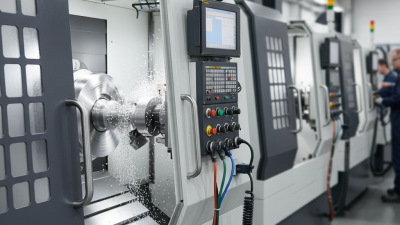
High-quality models often combine direct-drive or servo-controlled spindles with rigid linear guides. These systems support stable cutting at different speeds and reduce vibration during turning. Thermal compensation is another important technology. Sensors monitor spindle and bed temperature, then adjust positioning errors caused by heat. It sounds simple. It is not.

Advanced manufacturers also integrate automatic tool measurement, probing, and real-time load monitoring. A worn insert may increase spindle load before surface defects become visible. The control system can alert the operator early. Through practical shop-floor use, this saves material and prevents some unexpected downtime. However, automation cannot replace inspection. A poorly calibrated probe still produces confident, inaccurate data.

Modern control platforms may store machining records, alarm histories, and maintenance information. This supports traceability and helps technicians identify repeated failures. Remote monitoring can improve response times, but network access must be carefully managed. Cybersecurity is sometimes treated as an afterthought. That is a weakness.

The best designs also consider human movement. Clear access doors, stable chip conveyors, guarded work areas, and simple setup screens reduce daily friction. Yet every machine involves compromises. Higher speed may increase heat, noise, or tooling costs. Buyers should test actual materials, cutting depths, tolerances, and cycle times before trusting a specification sheet.

Comparing Machine Performance, Quality, and Cost

Top 10 Slant Bed CNC Lathe Manufacturers Worldwide?

Comparing slant bed CNC lathes requires more than reading maximum spindle speed. In daily production, rigidity, chip evacuation, and thermal stability often matter more. A 12-inch chuck machine should hold tight tolerances after several hours of cutting, not only during a showroom demonstration. I examine repeatability, surface finish, turret indexing, and cycle time using comparable steel and aluminum parts. Shorter cycle times help, but unstable accuracy creates expensive rework.

Quality appears in less obvious details. Inspect the guideways, spindle bearings, hydraulic lines, and electrical cabinet during a factory visit. Clean cable routing and accessible service points reduce downtime. A machine supporting Cnc Lathe And Cnc Milling workflows may improve flexibility, especially for small workshops with mixed orders. However, combined capability can increase complexity. That trade-off deserves careful testing.

Cost calculations should include tooling, power use, coolant, training, maintenance, and expected resale value. A lower purchase price may hide weak support or long spare-part delays. Ask for documented accuracy tests and references from similar production environments. Request a sample run with your own material. Numbers can mislead. I have seen impressive specifications fail under interrupted cuts and poor chip control. My own comparisons are not perfect, because operator skill and installation quality strongly affect results. A realistic evaluation should include local service response, warranty conditions, and the machine’s performance after months of ordinary use.

How to Choose the Right Slant Bed CNC Lathe Manufacturer

Choosing the right Cnc Lathe manufacturer requires more than comparing catalog prices. Examine the machine’s structure, spindle performance, guideways, and control system. A rigid slant bed should reduce vibration during heavy turning. Ask for test-cut results using material similar to yours. Check surface finish, dimensional repeatability, and cycle time. Real evidence matters more than polished brochures.

Tips: Visit the factory or request a live video inspection. Look closely at assembly areas, wiring, lubrication points, and quality records. Ask how technicians handle spindle faults, software updates, and replacement parts. Confirm training, installation support, warranty terms, and response times in writing. Request references from companies with comparable production volumes. A manufacturer’s confidence often appears in the details.

Do not choose solely by maximum speed. High rpm is useless if the machine loses stability under load. Review the chuck size, tool capacity, bar-feeding arrangement, and chip evacuation design. These details affect daily productivity. A reliable manufacturer should explain limitations clearly, not promise everything. I have found that small communication gaps can become expensive downtime later. No checklist is perfect. Leave room for a practical trial, because the best machine on paper may not suit your operators, materials, or workshop conditions.

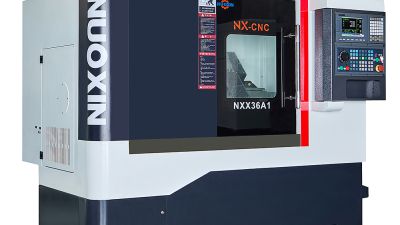
China NXX-36A1 Slant Bed Gang Tool CNC Lathe: Suppliers, Factory Quality, and Buying Guide

The China NXX-36A1 Slant Bed Gang Tool CNC Lathe is designed for manufacturers seeking stable turning performance, compact production capability, and dependable factory support. Industry reports, including the Gardner World Machine Tool Survey, continue to show strong demand for CNC equipment that improves automation and repeatability as manufacturers address labor shortages and tighter quality requirements. This model combines a high-performance digital control system, a locally manufactured spindle unit with Japanese P4-class precision bearings, and a reliable domestic spindle motor and drive.

For buyers comparing suppliers, factory quality should be assessed through component specifications, assembly standards, inspection procedures, and after-sales support rather than price alone. The X/Z feed system combines domestic engineering with Japanese servo technology, while C3-grade precision ball screws, original Japanese precision bearings, and Taiwanese P-class linear guides support accurate movement and smooth operation. A precision-cast iron base helps reduce vibration during continuous cutting, while French electrical components and Taiwanese hydraulic parts contribute to stable operation and service life. Configuration options are available for different workpiece sizes, tooling requirements, control preferences, and production volumes, allowing the factory to tailor the machine to specific applications.

FAQS

What is a slant bed CNC lathe?

It is a computer-controlled turning machine with a bed tilted toward the operator. The angle helps chips slide away from the cutting zone. Gravity helps here. It commonly machines shafts, flanges, bushings, and round components.

How does a slant bed improve machining?

The structure can create a more rigid machining area. That may reduce vibration during demanding turning operations. It also improves chip evacuation and operator access. However, it cannot fix a weak setup.

Which parts suit this type of lathe?

Long shafts need adequate support and enough distance between centers. Short, heavy parts may require stronger rigidity and greater chuck capacity. Check the part size carefully. A catalog description may not reveal every limitation.

What should buyers check before selecting a machine?

Review spindle performance, guideways, control functions, chuck size, and tool capacity. Also inspect bar-feeding arrangements and chip evacuation. Maximum speed is not enough. Stable cutting under load matters more.

Why is a test cut important?

A test cut shows actual surface finish, dimensional repeatability, and cycle time. Use material similar to your production parts. Real evidence beats polished brochures. Still, one test may not represent every working condition.

How should a manufacturer be evaluated?

Request a factory visit or a live video inspection. Look at assembly areas, wiring, lubrication points, and quality records. Ask for references from similar production environments. Small communication gaps can become costly downtime.

What maintenance tasks support reliable operation?

Inspect guideways, lubrication lines, chuck pressure, and tool holders regularly. Check coolant flow and clear blocked nozzles. Monitor the chip conveyor. Cleanliness matters. Neglected maintenance quietly creates problems.

What support should a buyer confirm?

Confirm installation, operator training, warranty coverage, software updates, and replacement-part availability. Ask how technicians handle spindle faults. Get response times in writing. Promises can sound clear until a machine stops.

Conclusion

A Slant Bed Cnc Lathe is a modern turning machine designed with an angled bed that improves chip evacuation, cutting stability, and operator access. This article explains how leading manufacturers are evaluated through factors such as engineering capability, machine accuracy, production consistency, customer support, customization options, and overall value. It presents a worldwide top-ten comparison without focusing on brand promotion, helping readers understand the qualities that distinguish reliable suppliers.

The discussion also reviews important technologies, including advanced CNC control systems, precision linear guides, automated tool changers, live tooling, intelligent monitoring, and energy-efficient designs. Performance, build quality, maintenance requirements, productivity, and total ownership cost are compared to show how machines may suit different manufacturing environments. Finally, the article provides practical guidance for selecting the right manufacturer by considering workpiece size, materials, production volume, required tolerances, automation needs, available service, training, and long-term investment value.
Emma

Emma

Emma is a dedicated marketing professional at a high-tech enterprise established in 2004, specializing in precision processing equipment. With a deep understanding of the industry, Emma excels in showcasing the company's advanced products, such as CNC numerical control lathes, turning-milling......
Previous 7 Tips for Choosing a Precision CNC Lathe