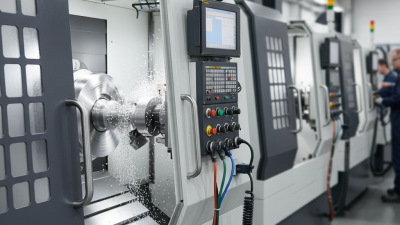
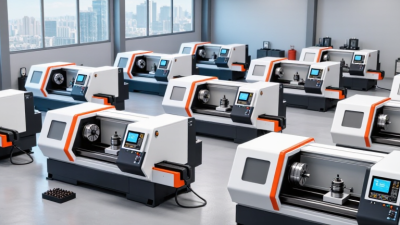
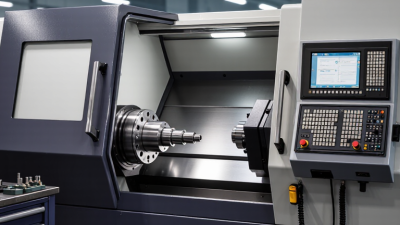
The global CNC machine market is still growing, and it's not hard to see why. Manufacturers want production systems that are faster, smarter, and more flexible. Grand View Research points to automation, digital monitoring, and precision machining as some of the main drivers here. And the numbers back it up: the International Federation of Robotics reported 541,302 industrial robot installations worldwide in 2023. That's a pretty clear sign we're moving toward connected production environments.
In this shifting market, a Servo Rotary Turret Cnc Lathe can cut down tool-change time and improve repeatability in high-volume turning. But its real value isn't just about spindle speed. Turret indexing accuracy, servo response, thermal control, chuck stability, and service support often decide what happens on the floor. A machine can look great in a showroom. Put it next to a warm cutting-fluid tank, though, and it may tell a different story.
Dr. Yoram Koren, a well-known authority on reconfigurable manufacturing systems, once said, “The future of manufacturing is in the development of reconfigurable manufacturing systems.” That idea still holds up when you compare major players like Mazak, Okuma, DMG MORI, Doosan Machine Tools, Haas Automation, and Nakamura-Tome. They each handle automation, control software, and machine rigidity in their own way.
Still, no ranking is perfect.
A premium brand doesn't automatically fit every workshop. Buyers should look at verified cycle times, tolerance records, operator feedback, and local technical support. Reports can give you useful market direction, but real factory evidence matters more. This guide compares top Servo Rotary Turret Cnc Lathe manufacturers based on engineering capability, documented reliability, application experience, and long-term ownership value. Some conclusions might need more testing, too. And honestly, that's a weakness worth acknowledging.
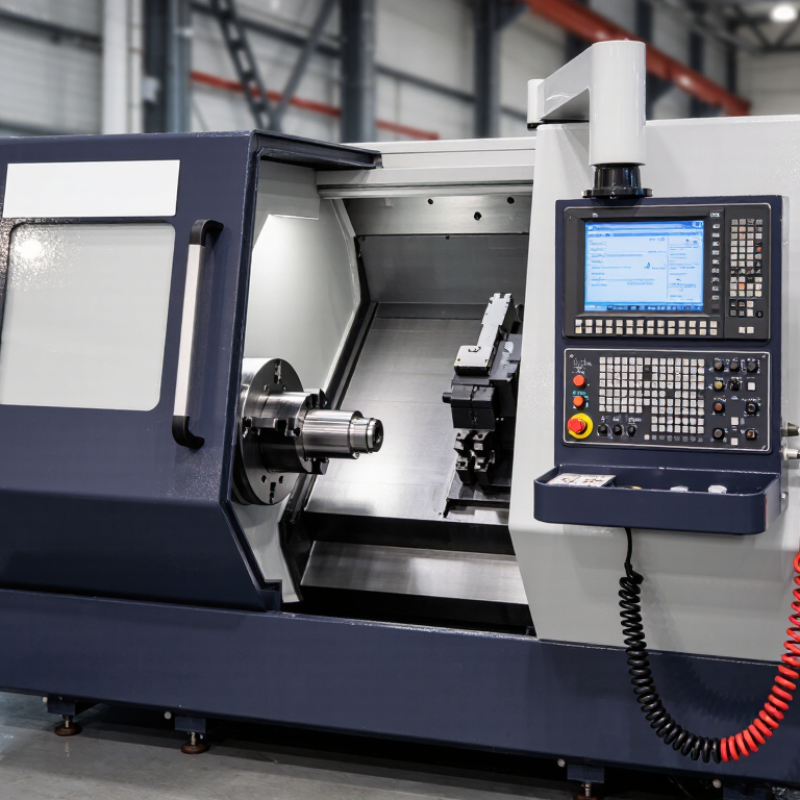
What Is a Servo Rotary Turret CNC Lathe?
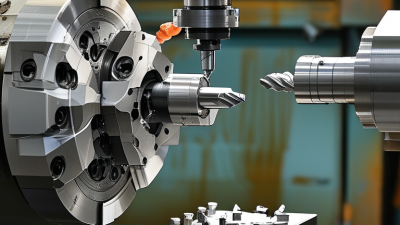
A servo rotary turret CNC lathe is a computer-controlled turning machine with a motorized turret. The turret rotates to position cutting tools quickly and accurately. It may hold drills, boring bars, grooving tools, and external turning inserts.
The servo motor controls turret indexing and tool positioning. Its encoder confirms the selected station before machining begins. This reduces manual tool changes and supports repeatable production. A Precision Servo Turret Cnc Lathe can machine steel shafts, aluminum fittings, and compact brass components.
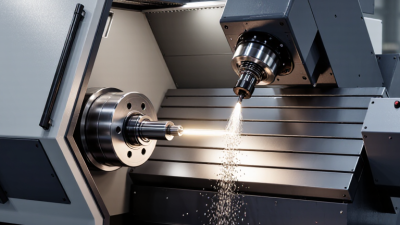
During a typical cycle, the spindle rotates the workpiece while programmed tools remove material. Coolant carries heat and chips away from the cutting zone.
Accuracy still depends on more than the turret. Tool wear, thermal growth, chuck pressure, and poor workholding can change results. Small details matter. A warm machine may cut differently after several hours. Operators should check offsets, turret alignment, lubrication, and clamping force before production runs. A test component can reveal vibration or incorrect tool geometry early.
Servo systems are fast, but speed alone does not guarantee quality. That point is easy to overlook. Some shops also choose conservative cutting parameters to protect surface finish and tool life. This may reduce cycle speed, yet it can improve consistency. Maintenance records, calibration checks, and measured samples provide stronger evidence than machine specifications alone.
How Servo Rotary Turret CNC Lathes Work
A servo rotary turret CNC lathe converts programmed commands into coordinated spindle, feed, and tool movements. The servo motor controls position through encoder feedback, correcting errors within milliseconds. When the spindle rotates, the turret indexes to the selected tool and locks against a precision coupling. Cutting then begins with controlled speed and feed.
A Dual-Spindle Servo Power Turret Cnc Machine adds another layer of coordination. One spindle can hold the main workpiece, while the second spindle transfers or completes it. Live tooling can drill, mill, or tap without removing the part. In a real workshop, this may reduce handling time, but poor synchronization creates chatter, tool wear, or transfer marks. Small alignment errors matter.
The U.S. Department of Energy reports that motor-driven systems can consume more than 70% of industrial electricity. Efficient servo control therefore affects both motion quality and operating cost. Industry reports from MarketsandMarkets also identify automation and multi-axis machining as major CNC market drivers. These figures support investment, but they do not replace machine trials. Material, bar diameter, coolant pressure, and turret rigidity change results. A sharp insert may still fail when chip evacuation is ignored. Operators should verify repeatability with measured parts, not only the controller’s screen. Servo tuning remains practical work, not a one-click setting.
Key Features That Define Leading Manufacturers
Leading servo rotary turret CNC lathe manufacturers distinguish themselves through measurable engineering, not polished brochures. Their machines deliver rapid indexing, stable servo control, and repeatable positioning under production loads. A turret should lock firmly, change tools quickly, and maintain accuracy after thousands of cycles. Operators notice the difference at the workholding point.
Independent data supports this focus. The International Federation of Robotics reported 541,302 industrial robots installed worldwide in 2023, showing manufacturers’ continuing investment in automation. A capable lathe must therefore communicate reliably with bar feeders, inspection devices, and factory software. Strong manufacturers provide documented cycle times, thermal compensation data, service response targets, and practical operator training. The details matter.
Mechanical rigidity remains essential. A Rotary Turret + Hydraulic Tailstock Cnc Lathe should resist vibration during deep drilling and long-shaft turning. Hydraulic pressure needs monitoring, while the tailstock must hold concentricity without damaging delicate surfaces. Deloitte’s 2024 smart manufacturing research found that many manufacturers view connected production as a major competitiveness driver. Yet connectivity alone is not quality. Poor interfaces still create confusion. Leading suppliers test alarms, recovery procedures, and real cutting conditions before delivery. Their claims should be verified with sample parts, inspection records, and customer references. No specification is perfect. Even experienced buyers can overlook chip evacuation, maintenance access, or tool-life tracking. That reflection often reveals the real manufacturer’s capability.
Top Servo Rotary Turret CNC Lathe Manufacturers
Top Servo Rotary Turret CNC Lathe Manufacturers are judged by more than machine speed. Experienced buyers examine turret indexing time, servo accuracy, spindle rigidity, and thermal stability. A reliable manufacturer should provide measured test results, not only attractive catalog figures. Ask for evidence.
In production, a turret must repeat tool positions accurately through long shifts. Even a small indexing error can leave visible steps on turned surfaces. Strong manufacturers explain encoder resolution, clamping force, lubrication intervals, and service access clearly. They also offer realistic cycle-time data using comparable materials and tooling. Details matter. A useful factory trial should include stainless steel, aluminum, or hardened steel, depending on your work. Operators should inspect chip control, vibration, surface finish, and tool wear beside the machine.
Technical support separates a capable manufacturer from a merely persuasive supplier. Look for installation training, spare-parts availability, control-system guidance, and documented response procedures. Certifications can support trust, but they do not replace practical testing. Some published tolerances may reflect ideal laboratory conditions. That gap matters. I would request sample parts, inspection reports, and references from users with similar batch sizes. A careful selection process may feel slower, yet it reduces unexpected downtime, rework, and maintenance costs.
This chart compares common servo rotary turret station configurations used in CNC turning equipment. The angular indexing pitch is calculated as 360° divided by the number of stations; more stations provide finer tool-position spacing and greater tooling capacity.
How to Compare Models, Capabilities, and Performance
Comparing Top Servo Rotary Turret CNC Lathe Manufacturers requires more than reading speed charts. In machine demonstrations, I watch how the turret indexes under repeated tool changes. A fast cycle means little if positioning becomes inconsistent after several hours. Ask for measured repeatability, not only advertised accuracy. Request test cuts using your actual material and dimensions.
Model capability starts with the work envelope. Check maximum turning diameter, swing, bar capacity, spindle torque, and turret station count. A compact model may suit small brass parts, while heavier steel work needs stronger bearings and greater torque.
Servo-driven turrets usually provide quick indexing and precise tool positioning. However, a Hydraulic Rotary Cnc Lathe can offer useful clamping force for demanding production. The right choice depends on workload, not fashionable specifications.
Performance also includes chip evacuation, coolant delivery, control access, and maintenance time. Stand beside the machine during a trial. Listen for vibration. Inspect the first-off part with calibrated gauges. Ask how quickly technicians respond when a drive alarm appears. Service quality varies sharply between manufacturers, and this is often overlooked. I once trusted a high-speed rating too easily; the cycle was impressive, but heat affected finish quality. That mistake still matters. Evaluate energy use, training, spare-part availability, and realistic uptime before comparing prices. Thin documentation is a warning sign.
Major Applications Across Modern Manufacturing
Modern manufacturing depends on servo rotary turret CNC lathes for accurate, repeatable turning. Their live tooling and multi-station turrets reduce handling between operations. A single setup can turn, drill, tap, and mill a compact component. This matters when parts require tight alignment between several features.
Automotive plants use these machines for shafts, hubs, bushings, and transmission components. Hydraulic equipment makers produce valve bodies, fittings, and threaded sleeves with consistent sealing surfaces. In aerospace workshops, they machine lightweight alloys and difficult superalloys under controlled cutting conditions. Electronics manufacturers also use smaller lathes for connectors, sensor housings, and precision pins. Tool selection remains critical. A poor insert can leave burrs, heat marks, or unstable dimensions.
Production teams often choose equipment based on spindle torque, bar capacity, turret speed, and control compatibility. They also inspect chip evacuation, coolant delivery, and access for maintenance. From practical shop-floor experience, automation improves output only when workholding and programming are carefully verified. A rushed setup still creates scrap. That is an uncomfortable lesson. Operators should confirm tool offsets, simulate motion, and measure the first pieces with calibrated instruments. Statistical monitoring can reveal drift before a full batch fails. However, real materials vary, and cutting data may need adjustment. Reliable manufacturers support these decisions through testing, documentation, training, and responsive service rather than impressive specifications alone.
Conclusion
A Servo Rotary Turret Cnc Lathe is an advanced machine tool that combines computer numerical control, servo-driven motion, and a rotary turret holding multiple cutting tools. It automatically positions tools and controls spindle speed, feed rate, and machining paths, enabling accurate turning, drilling, threading, boring, and other operations with minimal manual intervention. Its main advantages include fast tool changes, repeatable precision, efficient cycle times, flexible production, and reliable performance for complex components.
Leading manufacturers are typically distinguished by rigid machine structures, responsive servo systems, intuitive controls, strong safety features, energy efficiency, and dependable after-sales support. When comparing models, manufacturers, and performance, buyers should evaluate spindle capacity, turret configuration, axis travel, machining accuracy, automation options, software compatibility, maintenance requirements, and total operating cost. These machines are widely used in automotive, aerospace, medical equipment, electronics, energy, and general engineering production, making them valuable for both high-volume manufacturing and flexible, customized machining.