inquiry
Inquiry
Form loading...
0%

So, what’s the best CNC lathe mill in China? Honestly? It depends—not on the flashiest brochure claims, but on the parts you’re actually making. A shop that’s machining stainless steel valve bodies is going to care about different things than someone cranking out small aluminum components. Sure, a CNC lathe mill can handle both turning and milling, but the real value only shows up in the details: accuracy, setup time, and whether it can deliver reliable production shift after shift.

So Grand View Research put the global CNC machine market at around USD 101.22 billion back in 2023, and they’re projecting a 9.5% compound annual growth rate from 2024 to 2030. But here’s the thing—that number covers all CNC machines, not just the lathe-mill combos coming out of China. And that distinction actually matters quite a bit. Just because the market is growing doesn’t mean any specific machine is going to be the right fit for you. So yeah, the report is nice context to have, but it’s definitely not a buying verdict.

Yoram Koren is a manufacturing researcher who's done a ton of work on reconfigurable manufacturing systems, and his main point is something we often overlook: equipment should be able to adapt as your product needs change. Makes sense, right? So when you're actually comparing machines, don't just get lost in brochures. Look at spindle capacity, live-tool performance, axis configuration, control system—and local service support, honestly, matters just as much. Ask them to run a test cut with your material and a real part you'd actually make. Then inspect that finished surface carefully. Also time the setup. The small stuff really does add up.

There’s no one spec that tells the whole story, honestly. A machine might have an awesome spindle and look great on paper, but if the supplier’s service response is slow, the whole line can grind to a halt. Brochures? They always leave the important bits out. So this guide is about figuring out how to actually vet Chinese suppliers, verify what a CNC lathe mill can really do, and match it to what you’re actually producing—without falling into the trap of thinking the priciest option is the best one.
What Is the Best CNC Lathe Mill in China?

Defining CNC Lathe-Mill Machines and Their Combined Functions

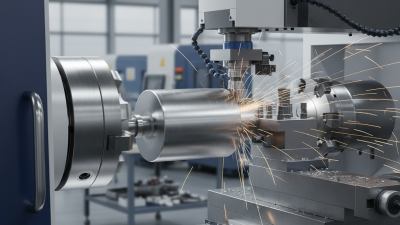
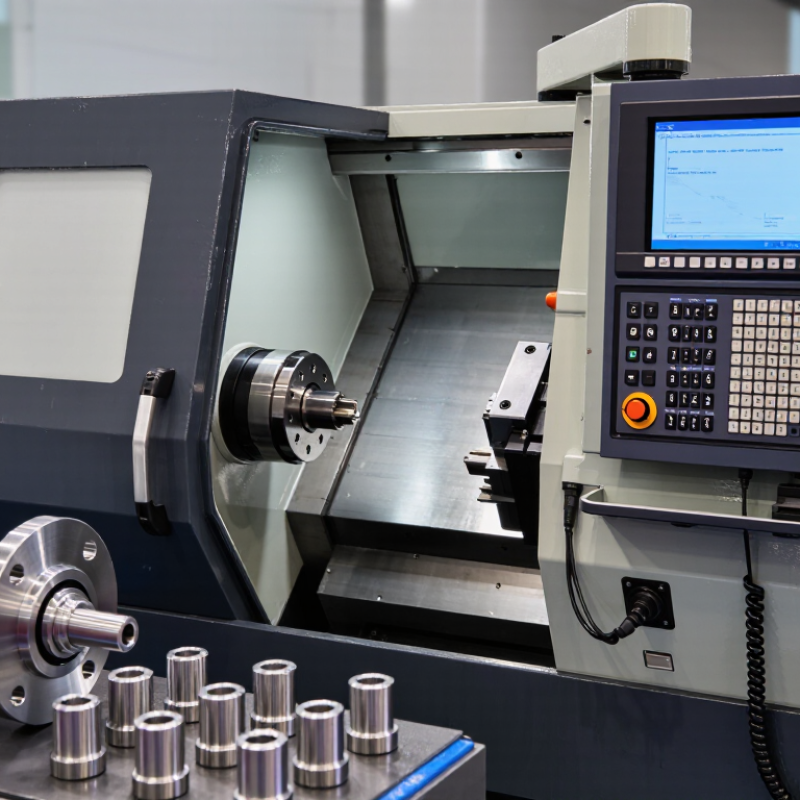
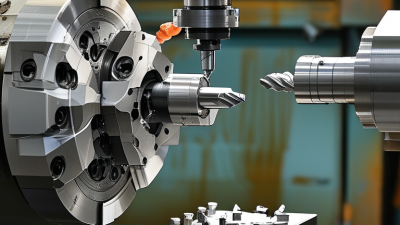
A CNC lathe-mill combines turning and milling operations in one machine. The workpiece rotates for turning, while live tools cut features such as flats, slots, and cross-holes. Some configurations also include a second spindle or a swiveling tool head. The exact capabilities depend on the machine’s axes and tooling. One setup matters.

Fewer setups can reduce handling and help keep features aligned. For example, a shaft can be turned to diameter, then milled with a keyway without leaving the chuck. But combining operations does not automatically improve accuracy. Tool reach, spindle stiffness, workholding, and thermal changes still affect the result. A tight corner may need a smaller cutter, which can increase machining time.

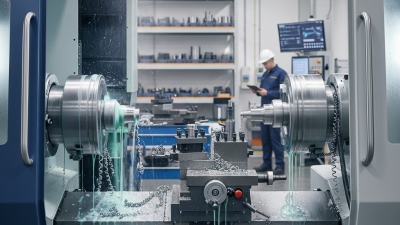
The phrase Mill Lathe Cnc is sometimes used when people search for these hybrid machines. For a useful comparison, check the axis layout, live-tool speed, turning capacity, and control functions against the part drawing. Ask how the machine handles chip removal around milled pockets; chips can collect near the chuck. It is easy to focus on the advertised number of axes. I would also review sample parts and measurement records, since a polished demonstration may not reveal how the machine performs across a full production run.

How CNC Lathe-Mills Are Designed and Manufactured in China

What Is the Best CNC Lathe Mill in China?
How CNC Lathe-Mills Are Designed and Manufactured in China

A capable CNC lathe-mill combines turning and milling in one coordinated machine. Design teams begin with the workpiece, required tolerances, and cutting forces. They size the spindle, bed, axes, and tool system around those needs. A rigid bed limits vibration, while controlled coolant flow helps manage heat and clear chips. Small details matter.

Manufacturing typically involves casting or fabricating the frame, stress relief, precision machining, assembly, and alignment. Technicians check spindle runout, axis positioning, and thermal behavior before cutting sample parts. The International Federation of Robotics’ World Robotics 2024 report recorded 276,288 industrial robot installations in China in 2023, about 51% of worldwide installations. This reflects broad automation capacity, but it does not prove that every machine shop uses the same process or achieves the same accuracy. A polished specification sheet can still hide trade-offs between speed, stiffness, and serviceability. That deserves scrutiny. The Cnc Mill Turn Lathe selection should match actual parts, not just the largest axis count.

Tips: Ask for a test cut using your material and part geometry. Request measured results for repeatability and surface finish, plus details on inspection equipment. Check how the machine handles chip buildup around the chuck. Small trials reveal practical limits.

Key Performance Factors for Comparing CNC Lathe-Mills

A capable CNC lathe-mill must turn accurately and mill without chatter. Compare spindle torque across the working speed range, not just maximum RPM. A steel shaft may need steady torque at low speed, while small holes demand faster rotation. Rigidity matters. Check the machine’s mass, guideways, and toolholding setup against the parts you actually make.

Axis travel and simultaneous movement determine whether a complex part can be completed in one setup. Ask for a sample cycle using your drawing and material. Measure critical features afterward, including concentricity and surface finish. Repeatability figures are useful, but they do not replace a real cutting test. Small details reveal a lot.

Look closely at thermal stability, chip removal, and coolant delivery. Long cycles can warm the spindle and shift dimensions; record measurements before and after a sustained run. Also compare tool-change time, control usability, and the availability of local calibration support. A fast machine can still be frustrating. I would not judge capability from a brochure alone, and even a careful test may miss production problems. Include maintenance access and operator training in the comparison, since these affect uptime as much as headline accuracy.

Common Types of CNC Lathe-Mills Made in China

Common Types of CNC Lathe-Mills Made in China

Chinese-made CNC lathe-mills range from basic turning centers with live tooling to advanced multi-axis machines. A live-tool turret can drill or mill features without moving a part to another machine. This helps reduce setup time for components with cross-holes, flats, or small slots. Check the spindle speed and tool capacity against the materials and part sizes you actually run.

Multi-axis mill-turn centers may combine turning, milling, and angled machining with a second spindle or a B-axis head. They suit complex parts, but extra axes add programming and maintenance demands. A Turn-Mill Cnc Lathe with twin spindles can machine both ends in one cycle. Ask for a sample cycle time, then verify it using your own drawing and tolerances.

Compact gang-tool lathes and Swiss-type machines are also common choices for smaller, precise parts. Gang tooling can make short production runs straightforward, while Swiss-type equipment supports long, slender workpieces with close support near the cutting zone. Look closely at chip clearance, bar capacity, and control usability. Small details matter. A polished demonstration may hide setup friction; request a test cut and inspect the finished surface, tool access, and repeatability. It is easy to overvalue the number of axes.

How to Choose a CNC Lathe-Mill for Your Production Needs

How Is the Best CNC Lathe-Mill Chosen for Your Production Needs?

Start with the parts, not the machine’s axis count. List your typical materials, maximum bar diameter, part length, and tightest tolerance. Then compare these needs with the machine’s turning capacity, milling envelope, spindle torque, and tool positions. A stainless-steel shaft with cross-holes may need Y-axis milling and live tooling. A simple aluminum sleeve may not. More capability can mean more setup and maintenance.

Test a representative part before buying. Measure cycle time, surface finish, tool changes, and chip control across a realistic batch. Include the fixtures and tools your shop will actually use. Check whether the control system supports your programming workflow and whether local technicians can service the machine. These details matter. A fast spindle is not automatically a fast production line.

Automation readiness may also affect future planning. The International Federation of Robotics’ World Robotics 2024 report counted about 4.28 million industrial robots operating in factories worldwide in 2023, up 10% from 2022. That figure is not specific to CNC lathes, but it signals growing factory automation. Ask whether the machine supports robot loading, probing, and reliable unattended cycles. One caution: projected savings can look neat on paper. Real chips, tool wear, and operator time are less tidy. A documented trial is worth more than a polished brochure.

Pricing, Service, and Ownership Considerations for Chinese CNC Lathe-Mills

A Chinese CNC lathe-mill quote should be compared by configuration, not just headline price. Check whether the figure includes tooling, chuck, chip conveyor, installation, training, and export packing. These items can change the real startup cost. Ask for a written list of included equipment and options. A detailed quote is easier to evaluate.

Service affects ownership long after delivery. Ask how quickly the supplier can provide remote diagnostics, replacement parts, and clear setup guidance. Confirm which components are locally stocked and which must be shipped. Request sample test-cut data for your materials and tolerances, not only a general accuracy claim. A short video of an actual machine cycle can also reveal noise, chip flow, and tool-change behavior. Still, a video cannot replace an acceptance test.

For a Mill Turn Cnc purchase, budget for operator training, maintenance, and potential downtime alongside the machine price. Check the control system, spare-part availability, and service terms before paying a deposit. One uncomfortable point: a low quote may expose a weak support plan. I would not assume the machine is unsuitable; I would ask for stronger evidence. Keep a small list of recurring costs, such as lubrication, inserts, and preventive inspections. The numbers may be imperfect at first, but even a rough ownership estimate beats relying on the purchase price alone.

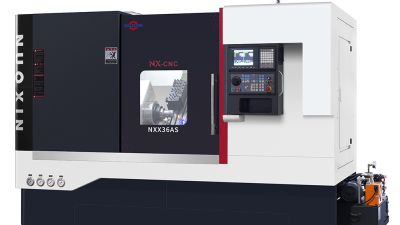
NXX-36AS CNC Lathe: Precision Machining Trends Based on Grand View Research’s CNC Machine Market Report

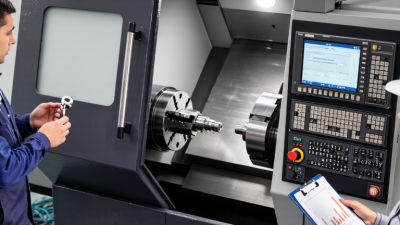
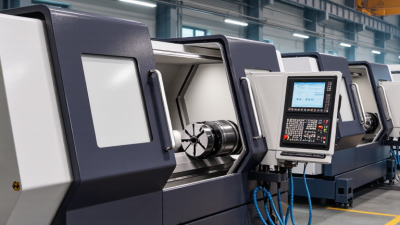
The CNC machine market is increasingly shaped by demand for higher precision, reliable production, and flexible manufacturing. As workshops seek to improve throughput without compromising part quality, CNC lathes with responsive controls and stable mechanical designs are well suited to applications involving complex components and repeatable machining. The NXX-36AS CNC Lathe is designed around these priorities, combining an intuitive control system with main and sub-spindles supported by high-precision bearings. Rear-mounted servo systems help provide quick dynamic response, while independently controlled axes support accurate, coordinated movement.

Precision also depends on the strength and stability of the machine’s feed system. Precision ball screws and bearings across the X1, X2, Z1, and Z2 axes help maintain smooth transmission and limit heat buildup. High-grade linear guideways are designed to carry substantial loads while retaining accuracy over time, and a densely ribbed cast-iron base helps absorb vibration during cutting. Reliable electrical and hydraulic components further support consistent operation, safety, and low-noise performance. Specifications can be customized to suit different materials, processes, and industry requirements, giving manufacturers a practical way to align machine configuration with evolving production needs.

FAQS

What is a CNC lathe-mill machine?

It combines turning and milling in one machine. The workpiece rotates for turning, while live tools cut flats, slots, or cross-holes.

What parts can it make in one setup?

A shaft can be turned to diameter, then milled with a keyway without leaving the chuck. Fewer setups can reduce handling and help keep features aligned.

Does combining operations guarantee better accuracy?

No. Tool reach, spindle stiffness, workholding, and temperature changes still affect results. A tight corner may require a smaller cutter and more machining time.

Which machine details should buyers compare?

Check the axis layout, live-tool speed, turning capacity, and control functions against the part drawing. Also ask how chips are cleared from milled pockets near the chuck.

How are these machines typically made and checked?

Production may include frame casting or fabrication, stress relief, precision machining, assembly, and alignment. Technicians may test spindle runout, axis positioning, and thermal behavior with sample parts.

What evidence helps assess a machine’s performance?

Request a test cut using your material and part geometry. Ask for measured repeatability and surface-finish results, plus details about inspection equipment. Small trials reveal practical limits.

What should a machine quote include?

Check whether tooling, chuck, chip conveyor, installation, training, and export packing are included. A written list makes the real startup cost easier to estimate.

What ongoing costs and service details should buyers consider?

Budget for training, maintenance, downtime, lubrication, cutting inserts, and inspections. Confirm parts availability and remote support. A low quote may mean weaker support, but ask for evidence before judging.

Conclusion

Choosing the best Cnc Lathe Mill in China starts with understanding how turning and milling operations are combined in one machine. This integrated approach can reduce workpiece handling, shorten production cycles, and support the manufacture of complex parts. Chinese manufacturers produce a range of configurations, from compact machines for smaller components to multi-axis systems designed for demanding production environments. Comparing them requires attention to accuracy, rigidity, spindle performance, tool capacity, control systems, and the materials and part sizes your operation requires.

The right choice depends on your production volume, component complexity, available floor space, operator skills, and budget. Before purchasing, assess machine specifications alongside installation, training, spare-parts access, technical support, and expected maintenance costs. Consider the full cost of ownership rather than the purchase price alone, and confirm that the machine can meet your quality and workflow requirements. Careful evaluation helps you select a Cnc Lathe Mill that fits your production needs and supports dependable long-term operation.
Sophia

Sophia

Sophia is a dedicated marketing professional at a high-tech enterprise that has been at the forefront of precision processing equipment since its establishment in 2004. With a deep understanding of the industry, she specializes in promoting the innovative products of her company, including CNC......
Previous Top 10 Slant Bed CNC Lathe Manufacturers Worldwide?